Table of Contents
Yolo County Courts, CA *

Yolo County is known for its agricultural roots, with a growing academic and urban presence, with its cities, like Davis, Woodland, and West Sacramento, contributing to a dynamic regional identity. Yolo County's court system plays an increasingly important role in maintaining order and resolving disputes across a wide range of legal areas as the county continues to grow.
Overview of the Yolo County Court System
Yolo County operates under the California state court system, providing consistent procedures across all counties. The general rules and processes remain mainly the same whether you are filing a case in Yolo County or elsewhere in California. That consistency helps reduce confusion, especially for those handling legal matters without local experience.
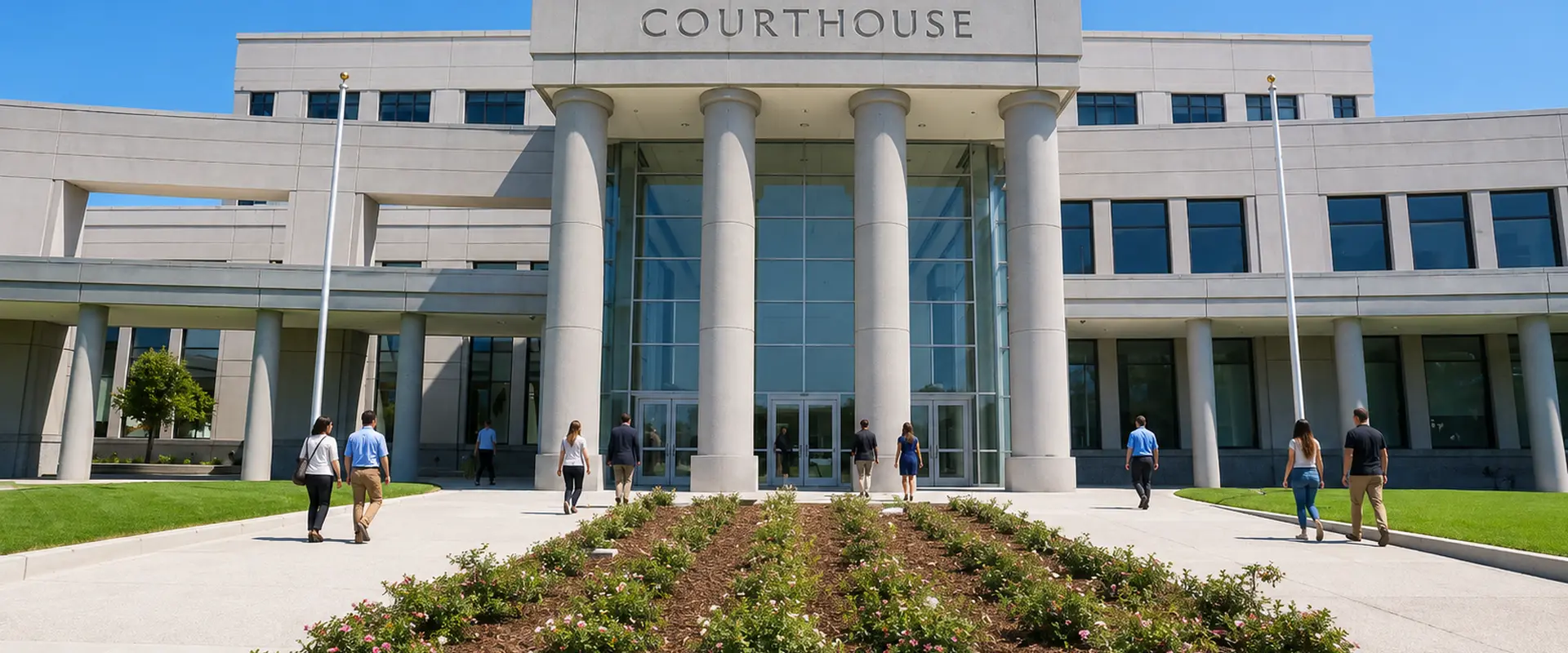
The primary court in the county is the Superior Court of California, Yolo County, which handles nearly all case types at the trial level with centralized legal proceedings. The Woodland Courthouse, which serves as the county seat, is where most court operations are based.
Additionally, there are other courthouses in Davis and West Sacramento that handle criminal matters involving adults, which enhances accessibility for residents across the county. Under these courthouses, you will find clerks' offices, courtrooms, and administrative services, where you can conveniently file documents, attend hearings, and access public records.
Types of Courts in Yolo County, CA

There are several types of courts in Yolo County; therefore, you need to understand which court handles your case before commencing the filing process. You must file in the relevant division because filing in the wrong division can lead to delays, case dismissal, or even extra fees, and each division has clearly defined responsibilities.
 Superior Court of California
The Superior Court is the main trial court in Yolo County, which manages the majority of legal matters in the county. This wide range of legal issues includes civil, criminal, family law, probate, juvenile, traffic, and small claim cases. It is the county's court of general jurisdiction that presides over various cases, for example, civil disputes, divorce and separation matters, felony criminal cases, and child custody.
Primary location: Yolo County Courthouse, Woodland
 Civil Division
The Civil Division of the Superior Court manages non-criminal disputes between individuals, businesses, or organizations.
The cases it deals with include:
- Lawsuits involving contracts, property, or personal injury
- Landlord-tenant disputes, such as unlawful detainer cases
- Small claims matters exceeding informal thresholds
- Injunctions and restraining orders not linked to family law
The division addresses a wide range of disputes, including contract disputes, civil harassment, and landlord-tenant matters, where one party seeks compensation or specific action from the other party. Therefore, if your case falls under this division, you need careful preparation and proper documentation.
 Criminal Division
The Criminal Division is another important division of the Superior Court and deals with situations involving violations of state law.
Its jurisdiction includes:
- Felony offenses like assault, murder, and drug crimes
- Misdemeanor offenses
- Non-traffic infractions
The role of this division is to prosecute and adjudicate criminal cases such as probation violations, non-traffic violations, felonies, and misdemeanors, and the procedure begins with an arraignment, followed by pretrial hearings and, if necessary, a trial. Defendants have the right to legal representation when they are eligible, and lawyers are available on request.
 Family Division
The Family Law Division operates under the Superior Court and focuses specifically on cases involving family relationships.
Here are the types of cases processed in this division:
- Separation and divorce
- Child custody and visitation
- Child and spousal support
- Parental Rights
- Domestic violence restraining orders
Due to the emotions involved in Family law cases, where the process may feel overwhelming sometimes, the court focuses on balancing legal standards with the well-being of the parties involved, especially children. Moreover, the court offers resources and procedural guidance to assist individuals in moving through each step.
 Juvenile Division
The responsibility of the Juvenile Division is to handle cases involving minors.
The types of juvenile cases handled by the court include:
- Cases involving minors who commit delinquent acts
- Juvenile dependency cases involving abuse or neglect
- Status offenses
The division emphasizes rehabilitation rather than punishment, unlike adult courts, aiming at guidance toward better outcomes while addressing the underlying issues that led to court involvement. Additionally, proceedings are often confidential, and access to these records is more restricted compared to the other court divisions.
 Probate Division
Legal situations related to estates, trusts, and guardianships are addressed by the Probate Division.
Probate court handles:
- Deceased's estates
- Wills and trust disputes
- Guardianships
- Conservatorships
- Lanterman-Petris-Short Act (LPS) proceedings
This division often deals with sensitive situations involving families and financial matters involving detailed documentation and strict timelines, so accuracy is important. In some cases, the court supervises the distribution of assets to ensure everything is handled fairly and as per the law. Moreover, this court monitors the property rights of the seniors, the physically handicapped, and minors.
 Traffic Division
The Traffic Division handles violations related to driving laws and minor infractions.
Cases include:
- Traffic citations
- Parking violations
- Minor vehicle-related offenses
Many cases of this division are resolved quickly through fines or traffic school since it processes a high volume of cases; however, individuals have the right to contest citations, and hearings can be scheduled. Also, it is worth paying attention to deadlines and options since traffic cases can affect insurance rates and driving records.
 Small Claims Court
Minor cases are filed with the Small Claims Court, which provides a simplified process for resolving minor civil disputes.
These disputes include:
- Disputes involving amounts up to $12,500
- Landlord-tenant disagreements
- Contract disputes
- Property damage
- Minor personal injury claims
This court manages cases from individuals who want a faster, informal, and more affordable resolution. Because of the streamlined procedure at the Small Claim Court, attorneys are generally not required; however, you can seek advice from an attorney before going to court.
Appellate Division
The main function of the Appellate Division of the Superior Court is to review certain decisions made in limited jurisdiction cases by hearing their appeals.
Cases consist of:
- Appeals from misdemeanor cases
- Appeals from small claims
- Limited civil cases
- Appeals of infraction from the traffic division
This division examines the record of the original case to ascertain if any legal mistakes affected the ruling. The process focuses on legal arguments rather than new evidence. Also, it can be complex; therefore, you should consider seeking legal assistance when filing an appeal.
County District Attorney's Neighborhood Court
The Yolo County Neighborhood Court, launched in 2013, is an adult criminal diversion program responsible for resolving criminal cases outside the traditional court.
Primary locations: Davis and West Sacramento
Cases include:
- Minor misdemeanor offenses
- Non-violent infractions
- First-time offenses
- Low-risk crimes such as vandalism, trespassing, and public intoxication
The purpose of the Neighborhood Court, operated by the Yolo County District Attorney's Office, is to use a restorative justice approach, aiming at addressing the underlying causes of criminal behavior. Rather than appearing before a judge, individuals meet with trained community volunteers to discuss the effects of their actions and agree on steps to repair harm, including community service, letters of apology, or educational programs. Therefore, successful completion can result in the case being resolved without a traditional court record, beneficial for individuals avoiding long-term consequences from minor offenses.
How to Access Yolo County Court Records

Court records in Yolo County are available to the public, with public access or restricted access, as per the California Public Records Act. Court records available for public access include civil and criminal cases, whereas restricted court records comprise adoption records, juvenile cases, and records sealed under health Safety Codes.
There are ways to obtain these records, such as online searches and in-person requests, and online access has made the process significantly easier because many records can now be retrieved electronically.
 Online Access
The primary method for accessing Yolo County court records is through an online search. You can access the Yolo County Superior Court's online service portal for case information, to view hearing dates, and check case statuses; accessing certain documents requires registering an account. Then, you can search by entering the filing date, the full name of the party involved, or the case number. Additionally, if you are searching for certified copies that require certification and standard copy fees, you must indicate this on the request form.
 Alternative Online Options
There are alternative platforms for online access to the county's court records, for instance, CourtCaseFinder, which provides aggregated access to public records across numerous jurisdictions. These tools can help locate information about the court system and how it works. These alternatives may help when you are overwhelmed and unsure of where to start.
 In-Person Requests
For certified copies or records not available online, visit the courthouse that suits your case type and go to the court clerk's office. The clerk's office can assist you in obtaining:
- Physical case files
- Archived documents
- Certified copies
You should complete a record search form providing case-identifying information. Clerks are familiar with the system and can guide you through the process efficiently. Also, provide photo identification and pay applicable fees if requested.
 Archived Records
Older records are often stored at the Yolo County Archives & Historical Collection and may not be found online, and most of these documents require formal requests and additional processing time. If you're researching historical cases or need older documentation, it's a good idea to contact the county's archives ahead of time to understand the process.
For Attorneys and Legal Professionals
While California's unified court structure provides consistency, each county may have its own local rules, filing procedures, and scheduling practices. Therefore, attorneys practicing in Yolo County, especially those coming from outside the region, benefit from comprehending how the local system runs.
The county court's online case management systems help lawyers to monitor filings, check hearing dates, and review case progress remotely. However, when you are dealing with more complex matters, in-person visits or direct communication with the clerk's office is vital.
How to File a Case in Yolo County

You should pay attention to detail and have a clear understanding of filing a case in Yolo County to avoid setbacks, such as refiling. Moreover, it's important to stay organized and follow instructions carefully as each step builds on the previous one.
 Step 1: Choose the Correct Court
To begin with, identify which division of the Superior Court addresses your case because every issue, including civil disputes, criminal matters, family law issues, and probate cases, falls under a different division. Filing in the correct court ensures your case is timely processed by avoiding unnecessary drawbacks.
 Step 2: Complete Required Forms
Secondly, obtain filing forms through the Yolo County Court Forms & Filing website. Ensure that you fill out all documents completely, sign where required, and include any necessary attachments.
 Step 3: File Your Case
Next, file your case at the courthouse in Woodland, though some cases, including civil, family, subsequent filings in criminal and juvenile cases, can be e-filed through the Yolo County Superior Court's Online Services website. In-person filing allows clerks to review your paperwork for completeness before submission, which can help avoid rejection.
 Step 4: Pay Filing Fees
When filing your case, remember to check if you are required to pay any fees, which vary depending on the case type. Yolo County Superior Court offers fee waivers to eligible litigants; therefore, if you cannot afford the fees, you may apply for a fee waiver, which will be reviewed and granted by a judge or a clerk. The request must be filed together with the first filing documents.
 Step 5: Serve the Other Party
This step involves notifying the other party through a process known as "service of process", which is carried out by a sheriff, a registered process server, or another qualified individual. Afterward, ensure you file the proof of service with the court.
 Step 6: Monitor Your Case
Lastly, always keep track of your case using your case number. You can check updates online on the Yolo County Courts Online Services website or contact the clerk's office because staying informed ensures you don't miss important communications, such as deadlines or hearings.
Yolo County Courthouse Directory
Main Courthouse (Superior Court)
The Yolo Superior Court serves as the central location for the court operations. It is a hub for the court's divisions and the Small Claim Court. Filings, records, and certified document requests are handled by the clerk's office.
Neighborhood Court. This program operates separately from traditional courtrooms, serving as a restorative justice program for adults with low-level and nonviolent criminal matters.
- Address (Davis): 301 2nd Street, Woodland, CA 95695
- Address (West Sacramento): 110 W. Capitol Avenue, West Sacramento, CA 95691
- Phone: (530) 666-8180
- Email: neighborhoodcourt@yoloda.org
- Website: Yolo County District Attorney Restorative Justice
Legal Help and Self-Help Resources
There are several resources available to assist individuals at different stages of the legal process, as navigating the legal system can be challenging. These services can make a meaningful difference, whether you're representing yourself, supporting a family member, conducting research, or simply trying to understand your options.
 Free Legal Assistance
Several legal assistance resources provide support to low- and moderate-income residents across Yolo County. Organizations such as the Yolo Healthy Aging Alliance, which supports senior adults, and Disability Rights California, which helps with disability related issues in Yolo County. They assist with problems like housing disputes, abuse, neglect, special education rights, family law issues, public benefits, and consumer protection, depending on eligibility.
The Yolo County Superior Court Self-Help Center is another valuable resource providing guidance on filling out court forms, understanding procedures, and preparing for hearings. This center is a valuable option for individuals who are not eligible for legal aid or are representing themselves in court, though the staff cannot give legal advice.
 Local Legal Support
Yolo County has local clinics and volunteer-based programs that offer more targeted assistance in addition to statewide organizations. The Yolo County Bar Association is a volunteer program that offers referral services that connect individuals with qualified attorneys based on their legal needs, especially if your case involves multiple legal issues. Moreover, law school clinics, particularly those affiliated with the University of California, for example, the Davis School of Law, offer hands-on legal support under the supervision of licensed attorneys. They are helpful for individuals seeking both guidance and representation at little or no cost. The common focus areas of these clinics include immigration, civil rights, environmental law, and Domestic and Sexual Violence.
FAQs
How do I search for a criminal case in Yolo County?
To find a case in Yolo County, start your search through the Superior Court's online case access system, then enter the full name of the defendant or the case number. If the case does not appear online, the clerk's office can help you locate it or confirm whether access is restricted.
Does Yolo County allow court records to be public?
Yes, most court records are available to the public; however, special cases, such as juvenile matters, some family law proceedings, and sealed records, are restricted to protect privacy. Access may also depend on the type of document requested.
What should I do before visiting the courthouse in person?
Before heading to the courthouse, gather the necessary information, such as names, case numbers, and approximate filing dates. Bring along valid identification and prepare for potential fees, especially if you need certified copies.
Can I file a small claims case online?
Yolo County may allow limited electronic filing for certain small claims matters. Requirements can change, so check with the court or review the available filing options before starting.
What is the duration to get court records in Yolo County?
The timeline for obtaining court records varies depending on the method you use to request the records. For example, online searches can provide immediate access to basic case information, whereas in-person requests for standard documents may be completed the same day or within a few days.
When can I use a third-party records finder?
Numerous court records can be accessed online through the official county website, but in a situation where you find it difficult and tiring to navigate the portal, you can work with a third-party service like CourtCaseFinder to help locate organized information.
Where can I find eviction records?
In Yolo County, eviction records are handled in the Civil Division of the Superior Court. Visit the courthouse or submit a records request through the clerk's office to obtain full documentation.
What if I need legal help but don't know where to start?.
Visiting the Yolo County Superior Court Self-Help Center is often the best first step if you're unsure where to begin. Staff can guide you to the right forms and explain the process. You can also check CourtCaseFinder, where you can access guidelines concerning the court system.
Other Counties in California
- Alameda
- Alpine
- Amador
- Butte
- Calaveras
- Colusa
- Contra Costa
- Del Norte
- El Dorado
- Fresno
- Glenn
- Humboldt
- Imperial
- Inyo
- Kern
- Kings
- Lake
- Lassen
- Los Angeles
- Madera
- Marin
- Mariposa
- Mendocino
- Merced
- Modoc
- Mono
- Monterey
- Napa
- Nevada
- Orange
- Placer
- Plumas
- Riverside
- Sacramento
- San Benito
- San Bernardino
- San Diego
- San Francisco
- San Joaquin
- San Luis Obispo
- San Mateo
- Santa Barbara
- Santa Clara
- Santa Cruz
- Shasta
- Sierra
- Siskiyou
- Solano
- Sonoma
- Stanislaus
- Sutter
- Tehama
- Trinity
- Tulare
- Tuolumne
- Ventura
- Yuba
Table of Contents
