Table of Contents
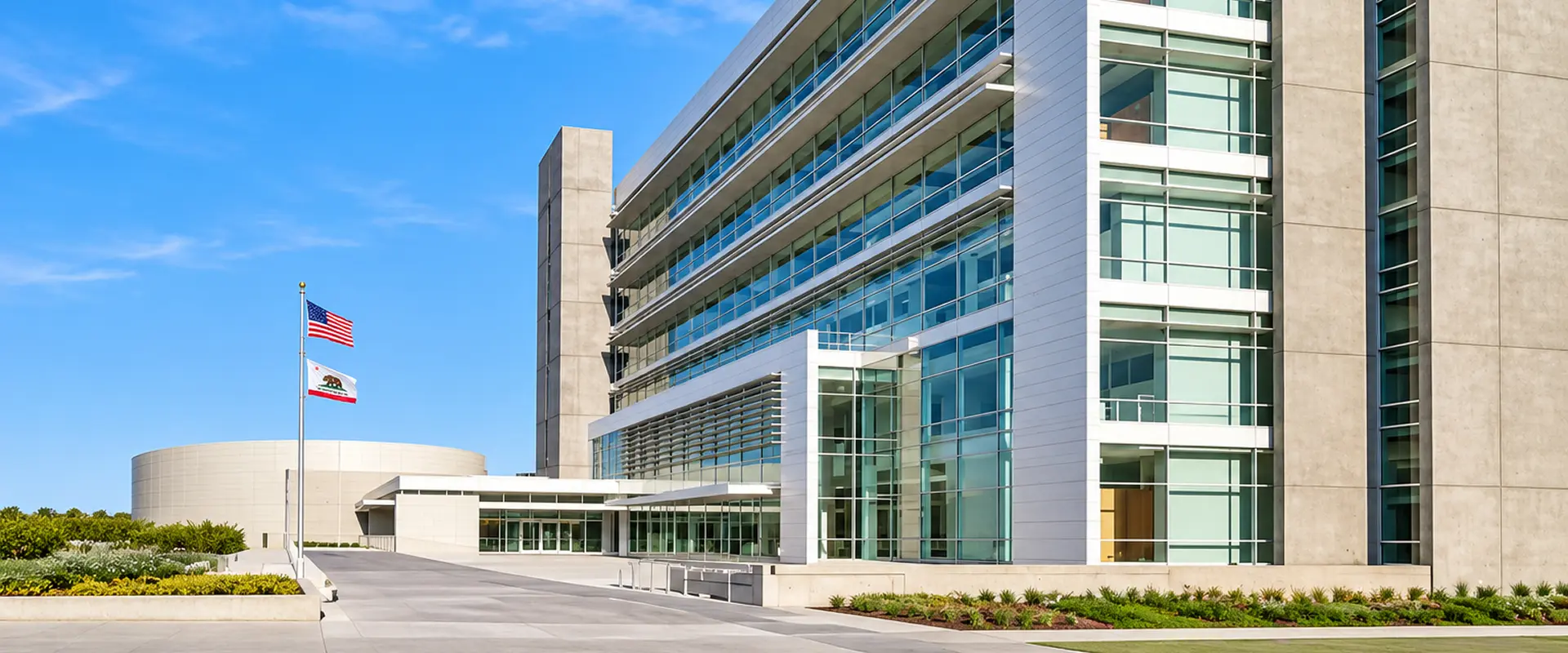
Sonoma County Courts, CA *

Sonoma County courts handle a wide variety of cases through its specialized divisions, ranging from traffic cases, misdemeanors, and felonies to general civil disputes. Sonoma County residents need the court for various cases, including property division, divorce, legal separation, and custody cases, among others. Employers rely on the court records to determine if a potential employee is a convicted felon. Landlords also need these court records to determine if a potential tenant has once been evicted. Lawyers use existing court records to prepare for upcoming hearings in advance. Knowing how the Sonoma County court system works saves time for all these individuals.
Overview of the Sonoma County Court System
The county court system in Sonoma comprises three major levels: the Supreme Court, Courts of Appeal, and Superior Courts. The single, consolidated trial court system handles different types of cases, but the system of filing a case is not the same in all counties because of different local rules, specific case requirements, and differences in the adoption of court technology.
The Superior Court of California, County of Sonoma, handles trial-level matters in the County of Sonoma. The unified superior court system is organized into different divisions that handle specific types of legal matters. Make sure you understand that the court system is unified, and that all criminal and civil cases are handled under one superior court. However, these cases are processed in specialized divisions located in different locations.
Some of the key locations include the Hall of Justice, the Juvenile Justice Center, and the Civil and Family Law Courthouse. Make sure you confirm which division you need to go to before visiting.
Types of Courts in Sonoma County, California

Sonoma County unified its Sonoma County Superior and Municipal Courts to formally create the Superior Court of California, County of Sonoma, in June, 1998. As a result, there are no separate circuit courts, district courts, or municipal courts in the County of Sonoma. All trial-level matters, ranging from felony cases to traffic citations to estate proceedings, are handled through the Superior Court, which is organized into specialized divisions.
The Superior Court of Sonoma is the main trial court and is primarily located in the Hall of Justice. Each division handles a specific type of case and may operate out of a different building, as seen below.
 Civil Division
The Civil Division handles legal disputes involving individuals, government agencies, and businesses seeking to either enforce a contract, collect damages for injuries, or recover money.
Typically, these legal disputes involve individuals or businesses seeking to:
- Enforce a contract
- Recover money or personal property
- Collect damages for injuries
- Protect a party's civil rights
The civil division does not provide general civil case information through the internet. You can find information through on-site public access terminals available at the Civil and Family Law Courthouse.
 Small Claims
The Small Claims Division exists within the Superior Court of Sonoma, in the Civil and Family Law Courthouse. The small claims division handles disputes that need quick and inexpensive resolution. Attorneys are not permitted to represent either party in the dispute, except when there is an appeal. The cases in the small claims division are affordable and fast, with simple and sometimes informal rules. The Superior Court of Sonoma provides localized packetized small claims forms for both defendants and plaintiffs.
 Traffic Division
This division processes vehicle code moving violations, in addition to other infractions, level violations, and city and county ordinance violations. Once you have been issued a traffic citation, you will receive a Reminder Notice.
Often, the file citations received by law enforcement are resolved without the need to appear in court. An offender may need to pay bail, or pay the bail along with requesting traffic school, or provide proof of correction for their offense.
 Family Law Division
The Family Law Division handles domestic issues, such as marriage dissolution, child custody, guardianship, and domestic violence restraining orders.
Jurisdiction:
- Family law cases
- Domestic partnership dissolution
- Child support agency cases
- Adoptions
- Guardianships
- Terminations of parental rights
- Emancipations
- Domestic Violence Restraining Order matters
Family Law Ex Parte
Family Law Ex Parte matters are reviewed Monday through Friday at 10:00 AM, pursuant to Local Rule 9.12E. Domestic Violence Restraining Order Requests are reviewed Monday through Friday at 8:30 AM, pursuant to Local Rule 9.11. Sonoma County Local Rules. Results of the daily review can be found through the Domestic Violence Tentative Rulings.
 Probate Division
The Probate Division covers court cases where a judge needs to oversee important life decisions. This includes things like managing a person's property after they die, setting up a conservatorship for someone who can't make decisions on their own, and approving guardianships for children who need a caretaker.
Jurisdiction:
- Wills
- Conservatorships
- Guardianships
- Mental Health or LPS Petitions
- Petitions for name change
- Special trusts
Probate Examiner Notes are also published through the portal, stating that parties can access those notes by entering the case number in Smart Search. The portal also provides tentative rulings online or via phone.
 Criminal Division
The Criminal Division handles misdemeanor and felony cases, as well as infraction violations.
Attorneys who need to access criminal case records remotely can use the Sonoma Superior Court Case Portal. The portal lets you search by case number or party name. As of January 1, 2026, represented parties must use e-filing for criminal matters. If you need certified copies of criminal records, contact the Records Department at the Hall of Justice directly.
 Juvenile Division
The Juvenile Division handles three kinds of cases: traffic, delinquency, and dependency. The Juvenile Justice Court deals with cases where a child has broken the law. When a parent or guardian hurts, neglects, or leaves a child, the Juvenile Dependency Court gets involved. Juvenile Traffic deals with traffic violations that minors commit. Dependency cases are private, and only the people who are directly involved can go to the hearings.
 Collaborative/Specialty Court Division
Sonoma County Superior Court operates several Collaborative Courts, which are an alternative to separate, standalone courts.
Programs:
- Mental Health Diversion Court
- DUI Court
- Adult Drug Court
- Military Diversion
- FACT Court
- VALOR Court
- Family Team Court
- Dependency Drug Court
Sonoma County Superior Court also operates a CARE Court, a probate-related program to handle cases involving severe mental illnesses.
How to Access Sonoma County Court Records

Most court records in Sonoma County are generally available to the public as required by the California Public Records Act. The public can access non-confidential case files, including family, civil, criminal, and family law records, through the Superior Court of Sonoma Records Department.
 Online Access
The main resource for Sonoma County is the Court Odyssey Case Portal. The case portal allows users to search for records of criminal cases and civil filings. Criminal case records are available through the District Attorney's Victim & Witness Case Lookup tool, which has information on upcoming court cases and case statuses. The new web-based case management system transitions the court off the old database, while ensuring improved access to justice for the citizens of Sonoma County.
For the best results, ensure you have all the information regarding the case before starting your search. The most important details include case numbers, filing dates, parties involved, and the court where the case was filed. Incomplete information might give you inaccurate or multiple results.
 Alternative Online Options
Sonoma's court portal works well for many searches, but it has gaps. Civil records are easier to find online than criminal or family law files. Commercial platforms like CourtCaseFinder pull from multiple public sources and can save time when you are not sure which division or office holds the record you need.
 In-Person Requests
If you have trouble accessing court records online, you can visit the Records Department located in the Hall of Justice and ask the clerk to help you locate certified copies, archived documents, and physical case files. If you want to access court records in person, they are available for viewing and copying during regular business hours.
 Archived Records
This division is in charge of several old documents about Civil, Family Law, and Probate filings that go back to the mid-1800s. It is easier to find records that were filed within the last 20 years, and cases that have stayed longer than that are usually archived. It will take longer to obtain the documents upon request.
Requests for archived records are handled through the Records Department at the Hall of Justice. When submitting an archived records request, include as much detail as possible:
- The party's first and last names
- The year the case was finalized
- Documents you are seeking to obtain
- Whether the records should be certified
You can choose to combine all three (online searches, in-person requests, and archival research) to get the most complete and accurate Sonoma County court records available.
For Attorneys and Legal Professionals
Attorneys and legal professionals from outside Sonoma County carrying out case research and status checks should utilize the Odyssey Portal, which offers registered users access to case information, registers of actions, and civil documents. Court records can be requested in person, by mail, or through online records for specific cases. Sonoma County has several divisions, and you must confirm the right division.
Anything you file should also comply with the Sonoma County court rules, as well as any local rules, including compliance with deadlines, required documentation, and formatting. If you are unsure, you should get guidance from the clerk's office. Attorneys seeking certified or archived records should plan for additional time needed to process these records.
How to File a Case in Sonoma County

Filing a case in Sonoma County is a detailed process that requires careful attention to details. Incomplete paperwork or the wrong division can cause unwanted delays, missed deadlines, or a case dismissal. The following steps are the most critical, and understanding each step in advance will save you time and reduce stress.
 Step 1: Choose the Correct Court
Before you can file a court case in Sonoma County, you should first choose the correct legal division, often based on the type of case and the amount of dispute. Most civil, family law, and probate cases are filed at the Sonoma County Civil and Family Law Courthouse. For your misdemeanor, felony, and traffic citations, you will need the services of the Criminal/Traffic Division, located at the Hall of Justice.
 Step 2: Complete Required Forms
The required forms are available at the Judicial Branch's Court Forms page, as well as Sonoma's Local Forms and Local Forms Packets pages. Any form obtained that is older than six months could be outdated. Always check to ensure that you have the current version, as outdated forms are not acceptable for filing.
 Step 3: File Your Case
You can file your case in Sonoma County using one of the following three ways:
- E-Filing: Available for civil, family, small claims, and probate cases. If your case should be considered that day, you should submit all documents by 11.59 PM.
- In-Person: Visit the courthouse physically. Usually, you need original forms and two additional copies.
- Drop-Box: Available in the courthouse for after-hours filing.
When your documents are complete, the court clerk will issue you a case number and a filing receipt that you will need to track your case as it moves through the court.
 Step 4: Pay Filing Fees
California's Statewide Civil Fee Schedule sets the general filing fees in Sonoma County, CA. According to the current Statewide Civic Fee Schedule, it costs $435 to file an unlimited civil case, and $30/$50 for small claims, depending on claim amount tiers. If you cannot afford the set fees, you can ask for a fee waiver for court cases in Sonoma County Superior Court.
 Step 5: Serve the Other Party
Often, the local sheriff's office, a private process server, or a certified mail request can complete the "service process". Failing to serve the other party can affect your case, which may be dismissed or put on hold. You should keep a record of service as proof.
 Step 6: Monitor Your Case
Once your case is filed and you have served the other party in the case, you can track its progress through the Odyssey Case Portal. You can also use Court Case Finder or ask the court clerk for help. It is important to stay informed because court dates, hearings, and motions can be changed or added, and you can miss appearances or deadlines.
Sonoma County Courthouse Directory
The Superior Court of California, County of Sonoma, operates across four locations in Santa Rosa. Each building houses specific divisions, so confirming the right location before your visit will save you time.
Hall of Justice
Criminal, traffic, and juvenile dependency.
Santa Rosa
600 Administration Dr., Santa Rosa, CA 95403
Phone: (707) 521-6500
Civil and Family Law Courthouse
Civil, small claims, family law, probate.
Santa Rosa
3055 Cleveland Ave., Santa Rosa, CA 95403
Phone: (707) 521-6500
Website: sonoma.courts.ca.gov/location/civil-and-family-law-courthouse
Empire College Annex
Courtrooms 16-17.
Santa Rosa
3035 Cleveland Ave., Suite 200, Santa Rosa, CA 95403
Phone: (707) 521-6500
Website: sonoma.courts.ca.gov/location/empire-college-annex-0
Juvenile Justice Center
Juvenile delinquency.
Santa Rosa
7425 Rancho Los Guilicos Rd., Santa Rosa, CA 95409
Phone: (707) 521-6700
Website: sonoma.courts.ca.gov/location/juvenile-justice-center
Legal Help and Self-Help Resources
In addition to official websites, there are additional local, state, and nonprofit resources that outline the answers to procedural questions and provide direct help when needed.
 Free Legal Assistance
Organizations like Legal Aid of Sonoma County offer low-income individuals legal help regarding housing, guardianship, or eviction issues. California Rural Legal Assistance also offers legal help to low-income residents, and the Superior Court of Sonoma Self-Help Center offers help with court forms and procedures.
 Local Legal Support
Local county clerks in Sonoma County aid individuals, such as offering legal forms, instructions, and filing guidelines to help them manage their own cases. The court clerks also provide procedural guidance and help in filling out the correct form, but they do not offer any legal advice. Legal clinics and volunteer programs through initiatives like the Lawyers in the Library program and Sonoma County Bar Association offer free legal information, pro bono services, and referrals.
FAQs
How do I search for a criminal case in Sonoma County?
Use the Case Portal to look up court records. You need the full name or case number of the defendant to find the most relevant results. If you cannot find the court case records online, you can go to the courthouse in person and ask the clerk staff to help you find the records.
Are court records public in Sonoma County?
Most of the court records are public and accessible through the Superior Court Records Department. However, there are confidential cases, such as family law cases like divorce or custody cases, that are not available to the public. Documents with sensitive information may have some documents redacted.
Where can I find eviction records?
Eviction records in Sonoma County are found through the online case portal. The records are available to the public to help landlords to verify rental history or for legal proceedings. Still, you may find limited information, and full records might require that you visit in person.
Can I file a small claims case online?
Usually, court cases in Sonoma County are filed in person at the courthouse. However, you can file a small claims case online through the Sonoma Superior Court's e-filing system. If your case does not require any legal documentation, you are exempt from mandatory electronic filing. You can find more information on how to file your small claims case online from theOdyssey Guide and File.
How long does it take to get records in Sonoma County?
In Sonoma County, the amount of time needed to retrieve court records varies according to divisions. Generally, public records are usually available within ten working days, and court records are processed in 7 to 10 days. Archived records can take longer, while birth and health certificates are processed the fastest.
Are online court record searches always accurate?
Sonoma Superior Court shifted much of its records to an online platform to ease access to these records by the public. These online systems are useful in saving time, but they are not always accurate, as they may not be up to date. If your matter is time-sensitive, it would be better to confirm the details directly with the court.
When is it helpful to use a third-party records finder?
Using third-party records search, such as the Court Case Finder, is helpful when seeking specialized, comprehensive, remote access documents that are not available directly from county court offices.
What do I do if I can't find my case online?
It is possible that the case was filed under a different category, or it has not yet been filed. The case may also be unavailable online because it is restricted from public view. You can also try searching with name variations or visiting the Clerk Recorder's Office to view the physical files.
What kind of records can I find online?
Online records in Sonoma County include property records, official public documents, criminal records, family law filings, eviction records, traffic citations, and bankruptcy records.
Can I save or download records for future reference?
Yes. You can save downloaded records for future reference in Sonoma County. Official property and marriage records can be purchased and downloaded for $4 for every document through the Sonoma County Document Records Search. You can also save any documents viewed online as digital copies, like a PDF.
Other Counties in California
- Alameda
- Alpine
- Amador
- Butte
- Calaveras
- Colusa
- Contra Costa
- Del Norte
- El Dorado
- Fresno
- Glenn
- Humboldt
- Imperial
- Inyo
- Kern
- Kings
- Lake
- Lassen
- Los Angeles
- Madera
- Marin
- Mariposa
- Mendocino
- Merced
- Modoc
- Mono
- Monterey
- Napa
- Nevada
- Orange
- Placer
- Plumas
- Riverside
- Sacramento
- San Benito
- San Bernardino
- San Diego
- San Francisco
- San Joaquin
- San Luis Obispo
- San Mateo
- Santa Barbara
- Santa Clara
- Santa Cruz
- Shasta
- Sierra
- Siskiyou
- Solano
- Stanislaus
- Sutter
- Tehama
- Trinity
- Tulare
- Tuolumne
- Ventura
- Yolo
- Yuba
Table of Contents
