Table of Contents
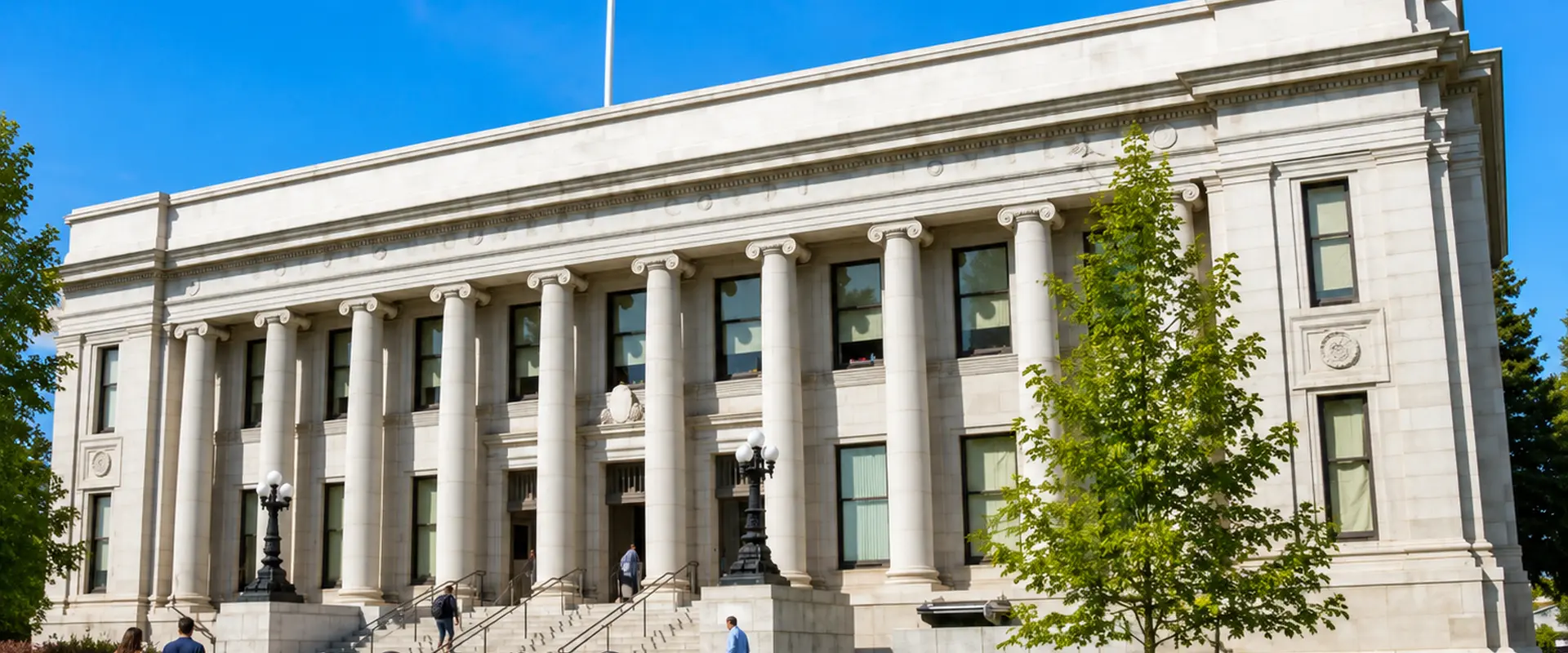
Solano County Courts, CA *

The Solano County Superior Court serves as a unified trial court and handles all civil, criminal, small claims, and appellate cases. It has a rich history dating back to the 19th century, with one significant milestone being the completion of the Old Solano Courthouse in Fairfield. The court has since expanded its services throughout the county, making it easier for residents to find legal help. Knowing how the Solano County courts operate can help with your case by preventing unnecessary delays and ensuring a smoother legal process.
Overview of the Solano County Court System
The Solano County Superior Court is one of the 58 trial courts in California. It has legal divisions to ensure prompt administration of justice and enhanced service delivery. Since the court has general and limited jurisdiction, it can oversee a wide range of cases, from traffic citations to small claims cases.
While Solano County has one primary Superior Court, legal proceedings take place in four different court facilities. These include the Law and Justice Center, the Hall of Justice, the Old Solano Courthouse, and the Solano Justice Building. Be sure to confirm which court is handling your case to avoid delays and procedural issues.
Types of Courts in Solano County, California

The Solano County Superior Court operates in four courthouses throughout the county, with each court handling specific cases. Filing your case with the correct court can help prevent frustrating delays, additional costs, and dismissals. Here is a breakdown of the court types and divisions in Solano County:
 Civil Court
The Civil Court Division handles cases that aren't crime-related.
Primary location: Old Solano Courthouse
Jurisdiction includes:
- Personal injury cases
- Contract disputes
- Bankruptcy
- Eviction cases
- Divorce
- Copyright infringement
This court hears civil lawsuits where one party seeks to enforce a contract, recover money, or protect their civil rights. And since these cases aren't crime-related, litigants can appear for hearings remotely, saving time and resources.
 Criminal Court
The Criminal Court processes and manages cases, including misdemeanors, felonies, and infractions. A criminal case commences when a prosecutor files a formal charge with the court, or the grand jury indicts a suspect.
Locations: Solano Justice Building and Hall of Justice Courthouse
Jurisdictions:
- Violent crimes
- DUI/DWI charges
- Domestic violence
- Drug offenses
- Cases involving minors
This court handles both minor offenses that attract a fine and serious crimes that are punishable by imprisonment.
 Probate Court
The Probate Court handles matters that involve life transitions. This court helps resolve disputes involving a deceased person's property. It also ensures your financial and personal wishes are followed in case you are incapacitated.
Location: Hall of Justice Courthouse
Jurisdiction includes:
- Will validation
- Estate distribution
- Executor appointments
- Guardianship and conservatorship
This court plays a vital role in validating and executing wills, ensuring that a deceased person's property and assets go to the rightful beneficiaries.
 Juvenile Court
The Juvenile Court handles legal matters involving minors. These cases are highly confidential and seek to protect the rights of persons under 18.
Location: Hall of Justice Courthouse
This court handles:
- Juvenile delinquency: Where the minor has committed a law violation.
- Juvenile dependency: Where the minor needs protection against neglect or abuse.
- Status offenses: Cases that are only illegal if committed by a minor.
Since juvenile cases involve minors, court records remain sealed from the public. Hearings may also be held behind closed doors.
How to Access Solano County Court Records

Most court records are readily available to the public for viewing, except juvenile court documents. A judge or the court may also seal or expunge specified court records, making them inaccessible to the public.
You can access Solano County court records using different methods, including:
 Online Access
One of the quickest and most convenient ways to access Solano County court records is online. Attorneys and members of the public can view case information on the court's online portal at a small fee. You only need to verify your identity using a government-issued ID, visa, passport, or driver's license to access the site.
 Alternative Online Options
Aside from accessing records through the court's official website, you can use third-party platforms like CourtCaseFinder to view public court records. This helpful tool provides aggregated data from all courts in Solano County. The best part is that you can save and download case information from the platform for future reference.
 In-Person Requests
If you need archived or certified court records, consider an in-person visit. The Superior Court accepts in-person visits for persons seeking physical court files. The court clerk will help you find whatever documents you are searching for at a fee. You will be required to provide key details such as the name of the party involved and the case number to expedite the process.
 Archived Records
Some older court records may not be readily available online. The good news is that you can find these historical files at the California State Archives. Sometimes, you may have to submit a formal request to the Superior Court to obtain archived legal documents and files.
Accessing legal records can be overwhelming due to the high volume of files stored in the court's database. Combining the above methods can help you obtain the most accurate and timely results.
For Attorneys and Legal Professionals
If you're an attorney or legal professional outside Solano County, you can access case information via the Superior Court's online portal. The site has links to case searches, clerk's office appointments, the court calendar, and even electronic filing options.
It is important to note that electronic filing is mandatory for all attorneys at the Solano County Superior Court. Just make sure you comply with all local and state rules before you file your case. Also, consider scheduling an in-person visit to the court to get more information on deadlines, filing procedures, and court fees.
How to File a Case in Solano County

Filing a case is a critical step in the legal process as it helps with prompt and efficient dispute resolution. However, you must pay close attention to detail, as filing in the wrong court can lead to several legal challenges. The court might delay or dismiss your case altogether. Below are the steps on how to complete your paperwork and file your case in Solano County:
 Step 1: Choose the Correct Court
Solano County has four primary court facilities, each with its own divisions. Choosing the correct court can help expedite your case and resolve your legal issues. The Hall of Justice handles criminal, civil, and probate issues, while the Law and Justice Center focuses on juvenile and family law matters. The Vallejo courthouse handles specialized matters such as DUI cases, traffic citations, misdemeanors, and infraction cases. Depending on the schedule, you may have to file a criminal or traffic case at the Old Solano Courthouse.
 Step 2: Complete Required Forms
After selecting the correct court, you need to complete specific forms for your case. Judicial Council Forms vary based on a specific case. The type of form you fill out will depend on whether your case is civil, traffic, small claims, or administrative. Each form includes guidelines for completing it, so make sure you have all the required attachments and details.
 Step 3: File Your Case
Solano County courts encourage litigants to file cases electronically. E-filing is mandatory for attorneys, but self-represented individuals can file their cases in person at the court. Electronic filing is available for probate, family law, small claims, and even civil cases. You'll need to set up an e-filing account and select an Electronic Filing Service Provider to file your case with the Solano County Superior Court.
 Step 4: Pay Filing Fees
Filing a case is not free. You'll have to pay a fee for the court to process your case. Filing fees depend on the case, court document, and e-filing vendor. In case you can't afford the fees, consider applying for a waiver.
 Step 5: Serve the Other Party
You must serve court papers to the other party in the lawsuit before your case's hearing date. Failure to do so might result in unnecessary delays. The court might even dismiss your case altogether.
Anyone over 18 years who is not involved in the case can serve the other party on your behalf. The individual can serve court papers in person, by mail, or electronically. You must sign a proof of service form with the Solano County Superior Court to comply with California law.
 Step 6: Monitor Your Case
The last critical step is to track your case so you don't miss scheduled hearings, case details, and summaries. Once you file your case, the Superior Court will issue a case number, which you can use to monitor your case via the court's online portal. The portal lets you sort your case by type, filing date, and courtroom, saving you time. Litigants can also download electronic records and view hearing schedules.
Solano County Courthouse Directory
The Solano County Superior Court has four primary locations. Each court building houses a specific division, ranging from probate to small claims departments. Finding the correct court can help you save time and avoid unnecessary delays. Here is a breakdown of all legal locations in Solano County:
Court 1
Old Solano Courthouse. This courthouse is the epicenter of most court operations in Solano County. It handles civil disputes, such as contract, housing, and personal injury matters. The court also has jurisdiction over family law issues.
Fairfield
580 Texas Street, Fairfield, CA 94533
Phone: (707) 207-7300
Email: courtadministration@solano.courts.ca.gov
Website: Old Solano Courthouse
Court 2
Hall of Justice. This court mostly handles criminal matters and serves as a venue for Solano County Superior Court operations. The court also has jurisdiction over family law and traffic citations. You can visit this courthouse for jury and other legal support services.
Fairfield
600 Union Avenue, Fairfield, CA 94533
Phone: (707) 207-7380
Email: courtadministration@solano.courts.ca.gov/ courtjury@solano.courts.ca.gov
Court 3
Law and Justice Center. This court handles a broad range of cases, including civil, family law, traffic, and even criminal cases. The facility also hosts bond hearings and other related justice services.
Fairfield
530 Union Avenue, Fairfield, CA 94533
Phone: (707) 207-7380 (general phone number)
Court 4
Solano Justice Building. This court handles criminal cases exclusively. It can sometimes take over civil and family law matters, depending on the Superior Court's operational structure.
Vallejo
321 Tuolumne Street, Vallejo, CA 94590
Phone: (707) 207-7350/60/90
Legal Help and Self-Help Resources
Anyone in Solano County can get free legal assistance through local and state self-help resources. These offline and online resources and tutorials guide individuals through the legal procedures and answer questions about legal matters, helping them prepare for their cases. Below is a breakdown of the available self-help resources you might need for your case in Solano County:
 Free Legal Assistance
The Superior Court runs a self-help program that provides free legal assistance on civil, family, small claims, and even housing cases. Indigent litigants involved in felony, misdemeanor, and criminal cases can contact the Solano County Public Defender's Office for legal representation. The office has specialized teams and units, including attorneys, investigators, and social workers, that provide free legal assistance.
 Local Legal Support
Qualifying individuals (low- to mid-income earners) can get free or low-cost local legal support from Legal Services of Northern California (LSNC) and the Solano Bar Association. These institutions provide paralegal services on housing, civil, and public benefits cases, among others. The Solano Bar Association offers mediation services for consumer disputes, small claims, and neighborhood conflicts. You can also find legal support from the Superior Court's small claims advisor.
FAQs
How do I look up a case in Solano County?
You can look up a case or warrant in Solano County through the Superior Court's online portal. You can search by name, company name, or case number. Cases accessible through this platform range from family law matters to traffic violations. Be sure to include all the details to receive accurate, timely results.
Do Solano County courts accept electronic filing?
The Superior Court in Solano County accepts electronic filing (e-filing), and it is mandatory for lawyers in family, civil, probate, and small claims cases. While self-represented individuals can file a case in person or by mail, the court encourages everyone to use the e-filing system for smoother processing.
Can I attend court hearings in Solano County remotely?
The Solano County Superior Court accepts remote hearings for adult infraction cases. However, you must submit a request to the court via email before your scheduled case to appear remotely. You'll need a computer or smartphone with audio/video capabilities for remote video appearances.
Can you file a small claims case online in Solano County?
You can file a small claims case online via the Solano County Superior Court's e-filing system. You'll need to set up an e-Filing account and select an Electronic Filing Service Provider (EFSP). You must also set up a payment account to pay filing fees.
How do I get divorce records in Solano County?
These records are available at the Family Law Division. You can access them via the Superior Court's online portal, by submitting a mail request, or by visiting in person. Make sure you have the names of the parties involved and, preferably, the case number to expedite the process and obtain accurate results.
What are the Solano County Superior Court business hours?
Court hours vary depending on the office or division. Courthouse buildings are open Monday through Friday from 8:00 AM to 5:00 PM. Clerk's offices are open every Monday to Friday from 8:00 AM to 3:00 PM. The executive office is open by appointment only, Monday to Friday from 8: 00 AM to 5:00 PM. The court shall remain closed on a Friday preceding a holiday on Saturday and on a Monday that follows a holiday on a Sunday.
Can I use a third-party records finder to look up a case?
Third-party records finders like CourtCaseFinder can be a helpful tool for looking up a case in Solano County. These websites pull data and case information from all courts across the county and aggregate them into a single platform. You'll need the first and last name of the party involved to look up a case. Although optional, having the case number can help streamline the process and deliver direct results.
Are court records public in Solano County?
Court records are public in Solano County. The only exemption is juvenile files, which remain highly confidential since they involve minors. The court may, by law, seal or expunge specific records, making them inaccessible to the public. You'll need to obtain a court order to access these files. You can access public court documents online, by mail, or in person.
What do I do if I can't find my case online?
If you can't find your case online, it might be sealed, expunged, or under a different category. Make sure you have the individual's full name and the case number to obtain accurate results. Also, confirm that you are searching at the correct court or division. If you still can't find your case, consider an in-person visit to the courthouse. The court staff or clerk will help you search for your case.
Can I save or download records for future reference?
You cannot directly save or download court records from the Solano Superior Court. The court only allows applicants to view case information, such as hearing dates, online. However, you may request detailed copies of documents involving certain cases at a fee. You may also visit the clerk's offices in person if you need physical copies.
Other Counties in California
- Alameda
- Alpine
- Amador
- Butte
- Calaveras
- Colusa
- Contra Costa
- Del Norte
- El Dorado
- Fresno
- Glenn
- Humboldt
- Imperial
- Inyo
- Kern
- Kings
- Lake
- Lassen
- Los Angeles
- Madera
- Marin
- Mariposa
- Mendocino
- Merced
- Modoc
- Mono
- Monterey
- Napa
- Nevada
- Orange
- Placer
- Plumas
- Riverside
- Sacramento
- San Benito
- San Bernardino
- San Diego
- San Francisco
- San Joaquin
- San Luis Obispo
- San Mateo
- Santa Barbara
- Santa Clara
- Santa Cruz
- Shasta
- Sierra
- Siskiyou
- Sonoma
- Stanislaus
- Sutter
- Tehama
- Trinity
- Tulare
- Tuolumne
- Ventura
- Yolo
- Yuba
Table of Contents
