Table of Contents
Sierra County Courts, CA *

Sierra County's court system is a little different from the rest of the state's. It is simpler because of its smaller population and a smaller number of courtrooms and other facilities. But it may require a little more from of you because of those same reasons. Whether you are researching a case, responding to a court order, or filing a document to commence your case in the Superior Court of California, County of Sierra, a basic understanding of how the court is structured will help you save time and avoid the confusion of navigating through the Sierra County Court system.
Overview of the Sierra County Court System
The Superior Court of California, County of Sierra, is the trial court of general jurisdiction for the County of Sierra. There being no municipal or district courts under the unified court system of the state of California, all criminal, civil, family law, and probate cases in Sierra County are heard by the Superior Court.
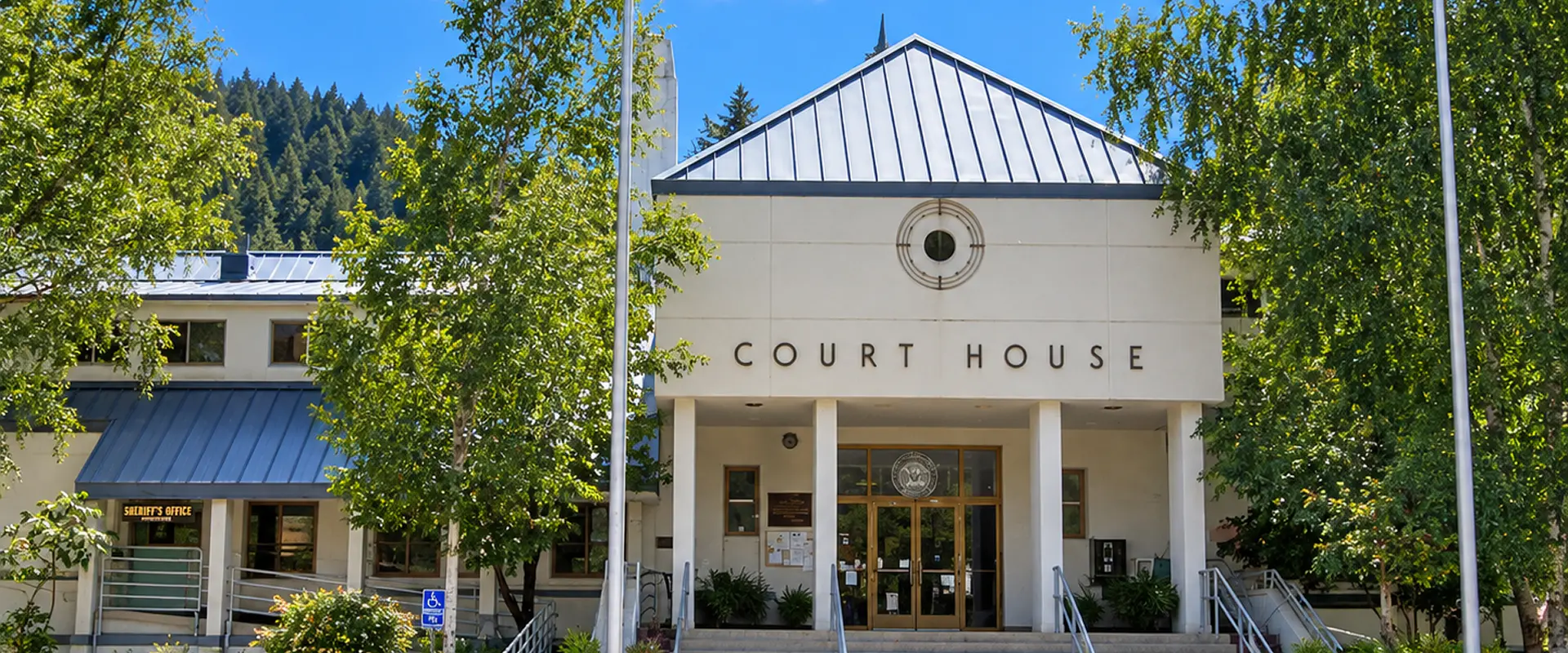
Because the county is relatively small, the county system is typically less decentralized and more streamlined, with a single central courthouse. However, there is also a disadvantage, since there are fewer staff members and the court does not sit continuously. With only some of the information available online, many events still rely on contact with the court (by phone and/or in person) to ensure that your case is progressing well. So knowing the inner workings of the court system can help you make sure documents get filed, obtain records, and attend hearings properly.
Types of Courts in Sierra County, California

All cases in Sierra County are handled by the Superior Court of California, County of Sierra, which is a Division-based system, not several separate courts.
 Appeals
The Appeals Division reviews certain decisions that have been made in lower-level cases by the Superior Court. It focuses on whether any legal errors might've happened, but it does not re-hear the entire case.
Appeals include:
- Misdemeanor criminal cases
- Limited civil cases
- Small claims
- Review of procedural or legal cases
These decisions are based on existing records, so no new evidence or testimony is allowed to be introduced.
 Civil Division
Civil cases usually involve disagreements where one party asks the court to resolve a dispute or award damages. These matters often move forward based on filings, evidence, and scheduled hearings rather than a single court date.
The Civil Division deals with:
- Contract disagreements
- Property and land-related disputes
- Personal injury claims
- Landlord-tenant matters (including evictions)
Attention to detail is especially important here, since incomplete filings can slow the process down significantly.
 Collaborative Court
In some cases, the Collaborative Court may use alternative approaches within the criminal justice process, depending on eligibility. These are not always structured as formal "collaborative courts", but may still focus on rehabilitation rather than punishment.
This Division oversees:
- Informal or case-by-case alternatives
- Rehabilitation-focused approaches
- Coordination with local services or programs
For availability and eligibility, check directly with the court or your legal counsel.
 Criminal Division
The Criminal Division handles cases brought by the state against individuals accused of breaking the law. The seriousness of the case determines how it proceeds through the court.
The Criminal Division involves:
- Felonies
- Misdemeanor offenses
- Warrants, arraignments
- Infractions
Because these cases follow strict timelines, staying aware of court dates is essential.
 Family Law Division
Family-related cases are handled here, mostly involving ongoing legal responsibilities rather than one-time decisions. Many of these matters change over time and may return to court more than once.
The Family Law Division works with:
- Divorce or legal separation
- Child and spousal support
- Domestic violence-related matters
- Child custody and visitation arrangements
These cases often require updated information as circumstances change over time.
 Juvenile Division
The Juvenile Division is responsible for cases involving minors, both in terms of legal violations and questions of their care or safety. These cases are handled differently from those of adults.
The Juvenile Division handles:
- Delinquencies (the actions of a minor)
- Dependency cases (focuses on keeping children safe and protected)
- Truancy and related issues
Confidentiality rules limit public access to most juvenile cases.
 Probate and Conservatorship
The Probate and Conservatorship Division addresses legal and financial matters tied to estates or persons in need of assistance in managing their affairs. This includes handling the estates and debts of deceased individuals.
This Division oversees:
- Estate administration
- Wills and trusts
- Conservatorships
- Guardianships
In these cases, clear communication is key, especially when managing assets or responsibilities for another person.
 Small Claims Division
The Small Claims Division offers a more direct path for resolving lower-value disputes without formal legal representation. The process is designed to be accessible and relatively quick.
Small Claims include:
- Claims involving $10,000 or less
- Property damages
- Consumer-related disputes
- Informal court hearings
Here, decisions are often made quickly, even after a single hearing.
 Traffic Division
The Traffic Division processes driving-related violations, which don't always require a full court hearing. But serious issues might still require an appearance.
The Traffic Division handles:
- Traffic citations
- Moving violations
- Vehicle code infractions
- Misdemeanor driving offenses
Resolving these cases quickly will help you avoid additional penalties and fines.
How to Access Sierra County Court Records

Sierra County court records can take a bit more planning to find compared to larger counties, since data is limited in their online resources. The Superior Court of California, County of Sierra, has an online portal for accessing case information within the county. You might need to do both online and in-person research, depending on the type of case you have and the level of detail you need to find.
 Online Access
While Sierra County makes some court records available online, not every case type is covered by a public access system. For the cases that are available remotely, the online system can give you the case numbers, party names, and hearing dates. The full records are usually not available online, and may need to be requested in the court.
 Alternative Online Options
Third-party websites like CourtCaseFinder provide access to public records, help locate general information about your case, and may be quite useful when you have little or no information or are seeking records in multiple counties. These resources are unofficial and may not reflect the most recent information, so it's best to verify all important information with the court.
 In-Person Requests
Sierra County court records are usually available for in-person visitors at the courthouse. The staff at the Clerk's Office can help locate files, explain the record access rules, and make copies of documents. You will likely be asked to provide identifying information, such as case numbers or names of the parties. Depending on the request, processing time may vary, and you may need to pay copying fees.
 Archived Records
Judicial archives are stored physically as they are not digitized. To access them, you will need to inquire with the Clerk's Office, sometimes in advance, to allow time to retrieve and review the files. As records might be stored in multiple locations across the county, it can take more time to retrieve them. Confidential or sealed cases are restricted even in archival form.
For Attorneys and Legal Professionals
Attorneys practicing in Sierra County should expect a more traditional, paper-based process compared to larger California counties. The Superior Court of California, County of Sierra, has limited E-filing access, with some forms not listed on the website. Court filings may require forms specific to the state ("Judicial Branch Forms") and/or the court ("Local Forms").
Out-of-county attorneys are advised to contact the Clerk's Office in advance of filing to check the appropriate procedures and avoid delays.
How to File a Case in Sierra County

Filing a case in Sierra County follows the same general rules as in the rest of California. Most procedures, including filing documents, are more likely to happen in person or through the mail. The Superior Court of California, County of Sierra, accepts all filings for the Sierra County trial courts through a centralized system. Knowing what to expect will help you avoid unnecessary delays in processing.
 Step 1: Choose the Correct Court
Above all, you must file your case in the correct Division. Filing in the wrong one, be it civil, family, or criminal case, will result in a delay or even rejection. It is also important to verify with the court that the correct courthouse has been chosen.
 Step 2: Complete Required Forms
California has standard court forms for most types of cases. Using the wrong form or leaving information boxes blank could delay the case or require a refiling. It's a good idea to review everything before you submit.
 Step 3: File Your Case
When you file your forms in person or via mail in Sierra County, the court accepts your documents and then assigns them a case number. This starts your case and sets deadlines in motion.
 Step 4: Pay Filing Fees
Most filings require a fee, which varies depending on the type of case you have. You generally must pay the fee when you file your papers. If eligible, you may be able to request a fee waiver, which avoids upfront payment.
 Step 5: Serve the Other Party
Formally notifying the other party that a case has been filed against them is known as service of process, and it must comply with specific legal requirements to be effective. Service can be performed by anyone over the age of 18, as long as they are not a part of the case filed. Proof of service must also be filed with the court.
 Step 6: Monitor Your Case
Once your case is filed, you are responsible for keeping track of deadlines and appearing for hearings, some of which may not be available online. Failing to respond by the deadline or appear for court may harm your case.
Sierra County Courthouse Directory
The Superior Court of California, County of Sierra serves Sierra County, from the single courthouse's location.
Sierra County Superior Court
Address all your filings and inquiries to this location.
Downieville
100 Courthouse Square, Downieville, CA 95936
Phone: (530) 289-3698
Legal Help and Self-Help Resources
You can get help about a legal problem in Sierra County by contacting the Superior Court of California, County of Sierra. There are fewer service options in Sierra County than in some other counties in California, and some resources are available regionally or statewide. Knowing where to look and avoiding common pitfalls can help speed things up a bit.
 Free Legal Assistance
The California Statewide Self-Help Center has guides, forms, and other information for family law, small claims, and restraining orders. You may find them useful if you are representing yourself and need instructions or information about how to proceed. A number of legal aid organizations service neighboring counties and may provide free or low-cost services to those who qualify; you may want to check ahead of time, as this varies from organization to organization.
 Local Legal Support
Even if you cannot find services in person in Sierra County, you may be able to obtain services through clinics, workshops, or legal aid in other counties. You can find and verify licensed attorneys through the State Bar of California. However, for more complex issues it may make sense to have a brief consultation with a lawyer. It is important to plan ahead, as such resources may not be available in the county yet.
FAQs
Do I need to visit the courthouse to access most records?
Yes, in most cases. Online availability of Sierra County public records is less thorough than that of larger counties, so in-person requests are preferable. While case details can be found online, full records must be requested through the court. Planning ahead can reduce unnecessary visits to the courthouse.
Do I have to pay a fee to find a court record?
Generally, yes, copies of court documents cost money. Certified copies are the most expensive. Fees may vary by the number of pages and the type of document requested. If you don't have a case or docket number, the fee is $15.00 per party name.
How do I search for a criminal case in Sierra County?
You may search the case indexes for criminal cases using any of the online public access options from the Superior Court of California, County of Sierra (online records may be limited). You may contact the county clerk for more information or visit the Sierra County Courthouse in person. The case number or full name is helpful.
Are court records public in Sierra County?
Most cases filed in a Sierra County court are public records, open to inspection by the public upon request. Records that are not open to inspection include juvenile cases or sealed records. Access and availability can vary depending on the specific record type and request.
How do I find my eviction record?
Eviction actions (unlawful detainers) are handled through the civil side of the court, and not all of this information is available online, with full records only available by request from the clerk's office. The most reliable way to access these records is often to visit the courthouse.
Can I file a small claims case online?
There are few options to file any documents online in Sierra County, and you will likely have to file in person or by mail. However, you should check with your court to be sure. If such filing is allowed, it may be limited to certain documents or types of case.
How long do I have to wait to get records in Sierra County?
In-person requests may be processed on the same day or within a few days depending on how the request was made or the location of records storage. Requests to archive files or to process mail may take longer.
When is it helpful to use a third-party records finder?
Third-party tools like CourtCaseFinder can help you search for information if you do not know a case number or want to do a general search. The information provided is a good summary but should always be verified with the court.
What do I do if I can't find my case online?
If you cannot find your case online, it may not have been entered into the case management system or been updated yet. Call the clerk's office. They may require additional information, or you may need to visit in person.
Can I save or download records for future reference?
Records which are available online may sometimes be downloaded or printed, while others are only available by visiting the agency or submitting an official request. It's a good idea to keep a copy of all your documents.
Other Counties in California
- Alameda
- Alpine
- Amador
- Butte
- Calaveras
- Colusa
- Contra Costa
- Del Norte
- El Dorado
- Fresno
- Glenn
- Humboldt
- Imperial
- Inyo
- Kern
- Kings
- Lake
- Lassen
- Los Angeles
- Madera
- Marin
- Mariposa
- Mendocino
- Merced
- Modoc
- Mono
- Monterey
- Napa
- Nevada
- Orange
- Placer
- Plumas
- Riverside
- Sacramento
- San Benito
- San Bernardino
- San Diego
- San Francisco
- San Joaquin
- San Luis Obispo
- San Mateo
- Santa Barbara
- Santa Clara
- Santa Cruz
- Shasta
- Siskiyou
- Solano
- Sonoma
- Stanislaus
- Sutter
- Tehama
- Trinity
- Tulare
- Tuolumne
- Ventura
- Yolo
- Yuba
Table of Contents
