Table of Contents
Shasta County Courts, CA *

Shasta County is located in Northern California and is popular for its scenic landscapes, including the iconic Mount Shasta. The county plays a crucial role in the region's legal framework as residents and businesses depend on the local court system to resolve disputes, enforce laws, and protect individual rights. Shasta County courts serve as a central hub for justice and legal accountability.
The courts handle a wide range of matters, such as civil disputes, criminal prosecutions, family law issues, probate cases, and housing concerns. The court system provides structured processes to address situations, including filing for divorce, responding to a traffic violation, or managing an estate.
Overview of the Shasta County Court System
Shasta County operates under the California state court system, hence maintaining consistency in legal procedures across all counties. This unified system promotes fairness and efficiency; however, local rules and practices still influence how cases are handled.
The main trial court in Shasta County is the Shasta County Superior Court, which hears nearly all types of cases at the county court level. This court provides services, including tentative rulings, traffic tickets, all criminal cases, and court case records to individuals and businesses. Most court operations occur out of the Redding location, which houses the main courthouse, but some services may also be offered at adjacent locations.
Other than providing access to the courts for all of Shasta County's residents, the court system also has administrative offices, clerks, and online services that help to manage case filings, records, and other case-related processes.
Types of Courts in Shasta County, CA

You should know which court in Shasta County handles your case when filing a case because filing in the wrong court can lead to delays, additional expenses, or procedural complications. Each division within the Shasta County court system has specific responsibilities, and choosing the correct one ensures your case moves forward efficiently.
 Superior Court of California
The Superior Court of California, County of Shasta, is the primary trial court that tackles most legal matters in the county.
Primary location: Shasta County Courthouse, Redding
The Superior Court is the most important in the county because it handles both complex and routine cases. The court is divided into specialized divisions such as family law, criminal, civil, and probate because of its broad jurisdiction. The cases are managed by judges with relevant expertise, which improves both efficiency and outcomes. Individuals appearing in this court often benefit from legal representation, though self-representation is also common in certain case types.
 Criminal Division
The Criminal Division of the Superior Court deals with violations of state law from minor offenses to serious felonies, such as burglary and murder.
Jurisdiction includes:
- Misdemeanor offenses
- Felony charges
- Arraignments
- Sentencing and probation matters
The responsibility of this division is to prosecute individuals accused of crimes while ensuring their legal rights are protected. These cases are complex and may involve multiple hearings; hence, the accused needs to work with attorneys or public defenders throughout the process.
 Family Law Division
The Family Law Division focuses on matters that involve family relationships.
Family Law handles:
- Divorce and legal separation
- Petitions for child custody and support
- Child support enforcement
- Domestic violence restraining orders
- Adoption proceedings
Since family law cases can be emotionally challenging, they tend to involve ongoing legal responsibilities. The court prioritizes the best interests of children while balancing the rights of parents and guardians. Legal guidance is helpful when disputes become complex or contentious; however, individuals represent themselves in family court. The court also offers mediation services in some cases to help resolve issues outside of formal hearings.
 Probate Division
The Probate Division handles legal matters concerning estates and personal affairs.
Probate court handles:
- Wills and estate administration
- LPS petitions
- Guardianships
- Conservatorships
- Trust disputes
Most of the probate cases arise after someone passes away, and when an individual can no longer manage their own affairs. The court ensures that assets are distributed according to the wishes outlined in a will or the law. Also, careful attention is required when filing your case in this division since these cases can involve detailed documentation and timelines. Some probate matters are straightforward, while others involving disputes among family members or creditors are complex, as they require more formal proceedings.
 Traffic Division
Violations of traffic laws and vehicle-related offenses are dealt with by the Traffic Division.
Traffic cases include:
- Traffic citations
- Infractions
- Driving-related misdemeanors
- Parking violations
Many traffic matters can be resolved without appearing in court, depending on the violation. However, more serious offenses may require hearings or additional legal steps. Moreover, the division handles infractions, including those committed by underage individuals.
 Civil Division
The Civil Division addresses disputes between individuals, businesses, or organizations.
The division's jurisdiction includes:
- Contract disputes
- Personal injury claims
- Property disputes
- Equitable relief cases
Civil court focuses on resolving non-criminal matters involving financial compensation or specific legal remedies. These cases can vary in complexity, from straightforward disagreements to more complex litigation, which needs extensive documentation and court proceedings.
 Juvenile Court
Cases involving minors are handled by the Juvenile Court, which focuses on rehabilitation rather than punishment.
Juvenile cases include:
- Delinquency matters
- Dependency cases involving abuse or neglect
- Status offenses
The Juvenile Division consists of two units: delinquency and dependency. The court emphasizes guidance and support for minors while addressing legal issues with the aim of helping young individuals make better choices and avoid future legal trouble.
 Small Claims Division
The Small Claims Division provides a simplified process for resolving minor disputes.
Cases include:
- Disputes involving amounts up to $10,000
- Landlord-tenant disagreements
- Contract disputes
- Property damage claims
The Small Claims Court is accessible and efficient, hence individuals typically represent themselves without attorneys, and the procedures are less formal compared to other courts. Therefore, it is an appealing option for resolving disputes quickly and at a lower cost. Despite its simplicity, proper preparation is still important, including gathering evidence and understanding the legal basis of the claim.
How to Access Shasta County Court Records

Shasta County allows public access to most court records, hence individuals can retrieve the information they need about active and closed cases. However, certain records, for example, those involving juveniles, sensitive family matters, or ongoing investigations, may be sealed or restricted to protect privacy and ensure fairness in legal proceedings.
There are various ways to acquire Shasta County court records, such as online access, in person, and through the county archives. In many cases, users have electronic access to case summaries, hearing dates, and basic filings without visiting the courthouse. Online access has made it easier than ever to search for court records. Some documents may require a small fee, especially if certified copies are needed.
 Online Access
The official state court system website is the primary resource for accessing court records in California. However, Shasta County provides online services through its Superior Court portal, where you can search for case information and review updates.
Ensure you have gathered the specific and necessary details before beginning a search, which includes the full names of parties involved, the case number, the type of case, and the approximate filing date. Having these details improves accuracy and minimizes the time spent searching.
 Alternative Online Options
When you feel overwhelmed with the official systems or are unfamiliar with legal terminology, commercial platforms such as CourtCaseFinder can help you access public records. These tools can provide information on court cases, arrests, divorces, and other filings. Moreover, they are particularly helpful when you are unsure which court holds the records you need.
 In-Person Requests
Another way to access Shasta County court records is by visiting the courthouse in person. Also, visiting the Shasta County Courthouse is often necessary for access to certified copies or older records. The clerk's office can assist with locating:
- Physical case files
- Archived documents
- Certified copies
The court clerks are trained to guide individuals through legal processes, including accessing court records. Bring as much information as possible, such as case numbers or names, when visiting the court clerk's office to make the search faster and more efficient.
 Archived Records
The Shasta County Archives stores older court records, which may not be available online. Accessing these records typically requires a formal request and may involve additional processing time. The Shasta County records office can guide you on how to locate and request these documents.
Combining online tools with in-person assistance usually provides the most complete and accurate results when searching for court records.
For Attorneys and Legal Professionals
Attorneys practicing in Shasta County must follow local procedures in addition to California's unified court system. Lawyers from outside the county may need time to familiarize themselves with specific filing requirements, courtroom practices, and scheduling systems available on the Shasta County Superior Court website.
It is advisable to use electronic filing and online case management tools, which allow attorneys to monitor cases and submit documents efficiently. However, certain filings or certified records may still require in-person handling. Understanding both the digital and physical aspects of the system ensures smoother case management.
How to File a Case in Shasta County

You should put extra attention to details when filing a case in Shasta County to avoid setbacks, like missing paperwork, incorrect filings, or choosing the wrong court. When filing a case, there is a procedure you must follow, so ensure you understand the process before you begin.
 Step 1: Choose the Correct Court
The first step to filing a case in Shasta County is to determine where to file. If you are filing the first papers in your case in Shasta County, search for the division of the Superior Court that handles your case, since the cases, such as Civil disputes, criminal matters, family law issues, and probate cases, fall under different divisions. Filing in the correct court ensures your case is processed without unnecessary complications.
 Step 2: Complete Required Forms
You can obtain filing forms accessible through the Shasta County Superior Court website. You are required to fill out all the documents completely and accurately; hence, avoiding missing signatures or incomplete sections is a common reason filings are rejected.
 Step 3: File Your Case
Next, you can file your case in person at the Shasta County Courthouse in Redding or by mail. However, several divisions under the Shasta County Superior Court permit online filing by either drop box or fax. Before filing, confirm whether the division that handles your case permits online filing or not.
 Step 4: Pay Filing Fees
When filing most cases, you are required to pay a fee, and you have to pay as you file the forms. Check the court fee schedule if you are not sure if your case demands a filing fee. Filing fees vary depending on the type of case; for instance, civil and probate cases often have higher fees, while small claims cases are more affordable. If you cannot afford the fees, you may request a fee waiver by submitting the appropriate forms. If you don't qualify for a fee waiver, the court will schedule a date for you to pay later that falls within 10 days.
 Step 5: Serve the Other Party
This step involves notifying the other party through the "service of process" done by a sheriff, a professional process server, or another authorized individual. Note that the Sheriff's Department or other authorized process server will serve the documents for a fee. Proper service is required for the court to proceed with your case. You will need to provide proof of service to the court.
 Step 6: Monitor Your Case
Finally, once your case is filed, it is important to track its progress. You can do this through online systems or by contacting the clerk's office. Staying informed about hearing dates and updates helps you avoid missing important deadlines.
Shasta County Courthouse Directory
Shasta County Courthouse (Superior Court)
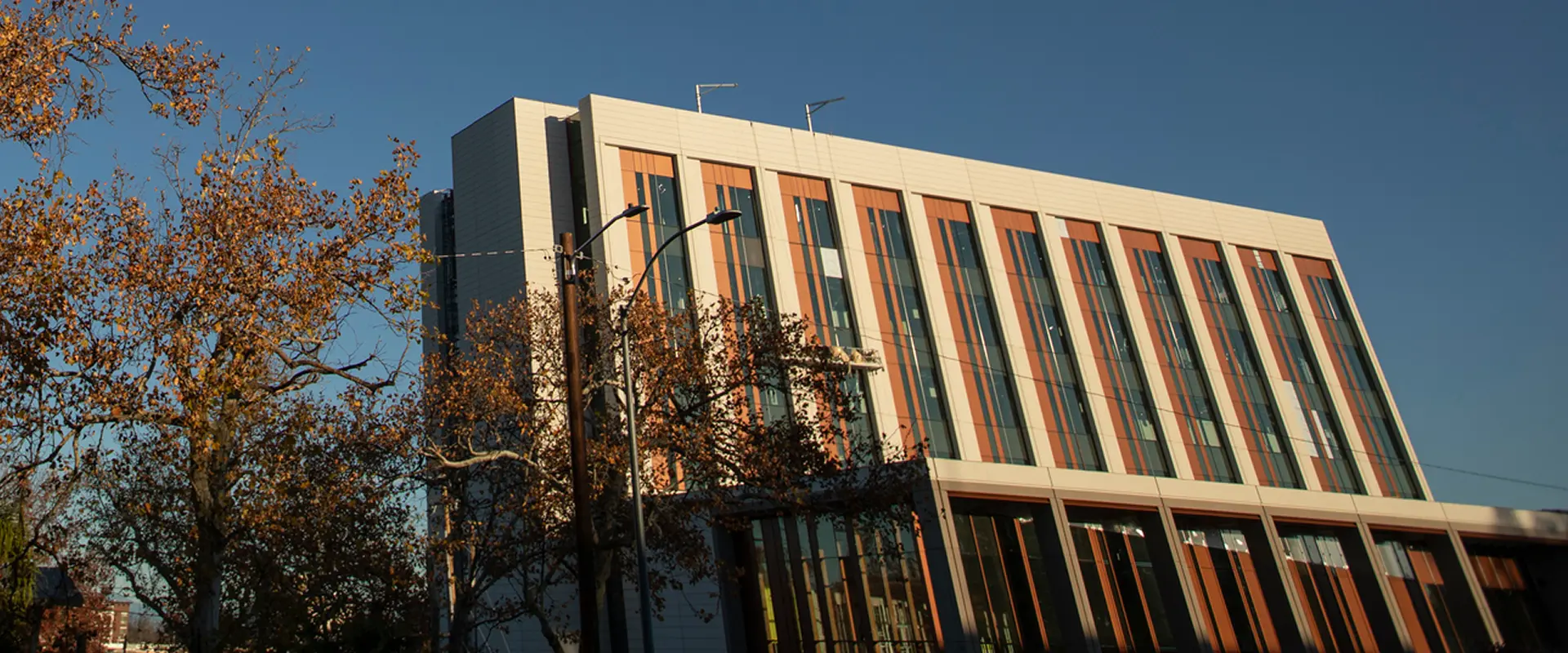
The Shasta County Courthouse serves as the central location for the court operations. It houses divisions, including civil, criminal, family law, probate, and small claims. They are located on different floors, from the 1st to the 6th floors. The clerk's office manages filings, records, and certified document requests.
Redding
1500 Court Street, Redding, CA 96001
Phone: (530) 245-6789
Legal Help and Self-Help Resources
Shasta County has a number of local and nonprofit organizations to assist residents and businesses in navigating the legal system.
 Free Legal Assistance
There are organizations that provide individuals with free or low-cost legal help in Shasta County, including Shasta Lake Family Legal Aid & Pro Bono Services and Redding Family Legal Aid & Pro Bono Services. These groups assist with housing issues, family law matters, and consumer rights. They may offer legal advice, document preparation, and, in some cases, representation.
Also, the county's Superior Court offers self-help services available at the Main Courthouse. Court clerks can also help by providing forms, instructions, and general guidance. They cannot offer legal advice or represent individuals in court; therefore, understanding this distinction is important when seeking help.
 Local Legal Support
There are legal clinics and volunteer attorney programs that may support you with common legal issues. The Public Defender, Shasta County, with passionate lawyers dedicated to representing the residents in civil and criminal proceedings, and the Court Appointed Special Advocates (CASA) of Shasta County, which mobilizes and equips volunteers to represent abused and neglected foster care children, are some examples. These services are helpful for the county's residents, including individuals handling small claims or family law matters on their own, senior residents, and minors. While self-representation may work for simpler cases, more complex situations often benefit from professional legal assistance.
FAQs
Where can I find criminal case records in Shasta County?
You can search for criminal cases through the Shasta County Superior Court's online system by entering the defendant's full name or case number. The case may still be under processing or only available at the physical archives if the case does not appear online; therefore, you can contact the clerk's office or visit in person for assistance.
Does Shasta County allow public access to court records?
Yes, most court records are available to the public, including civil and criminal case information. However, it's always a good idea to confirm availability before making a request, as certain records are restricted by law, or access levels can vary.
What is the method for obtaining certified copies of court documents?
Requesting directly from the clerk's office at the main courthouse is the way to get certified copies, such as appeals and identity verification. Fees typically apply, and processing times may vary depending on the document.
What are the requirements when requesting records in person?
You should bring as much information as possible, including names of involved parties, case numbers, and filing dates, when visiting the courthouse. A valid photo ID may also be required for sensitive or private records.
What are the charges for accessing court records?
Basic case information is often available online at no cost. However, obtaining full documents, certified copies, or extensive record searches may involve fees that depend on the type of document and the number of pages requested.
Shasta County Small Claims Court handles what types of cases?
Small Claims Court handles disputes involving limited amounts, typically up to $10,000, like landlord-tenant issues, contract disputes, and property damage claims. Since the process is simplified, most individuals represent themselves without attorneys.
When is it helpful to use a third-party records finder?
Third-party tools can be useful when searching across multiple courts or jurisdictions. For instance, CourtCaseFinder gathers data from different sources into one place, which can save time if you're unsure where a case was filed or need a broader search.
What are the consequences of missing a court date?
Missing a court date can lead to serious consequences, including fines, case dismissal, or an arrest warrant in criminal matters. Contact the court immediately to understand your options and next steps if you realize you've missed a hearing.
Other Counties in California
- Alameda
- Alpine
- Amador
- Butte
- Calaveras
- Colusa
- Contra Costa
- Del Norte
- El Dorado
- Fresno
- Glenn
- Humboldt
- Imperial
- Inyo
- Kern
- Kings
- Lake
- Lassen
- Los Angeles
- Madera
- Marin
- Mariposa
- Mendocino
- Merced
- Modoc
- Mono
- Monterey
- Napa
- Nevada
- Orange
- Placer
- Plumas
- Riverside
- Sacramento
- San Benito
- San Bernardino
- San Diego
- San Francisco
- San Joaquin
- San Luis Obispo
- San Mateo
- Santa Barbara
- Santa Clara
- Santa Cruz
- Sierra
- Siskiyou
- Solano
- Sonoma
- Stanislaus
- Sutter
- Tehama
- Trinity
- Tulare
- Tuolumne
- Ventura
- Yolo
- Yuba
Table of Contents
