Table of Contents
Plumas County Courts, CA *

Plumas County is located in the northern Sierra Nevada mountains, with mountains, pine forests, lakes, and small towns throughout the county. While life in Plumas County tends to simmer more slowly than in the rest of California, its residents are still plagued by the usual legal problems that bring most people to court.
Plumas County courts handle disputes over noisy neighbors, speeding tickets, family breakups, and criminal accusations, and the untangling of an estate. Landlords check the history of their renters. Employers run backgrounds, families sort out custody or child support.
Overview of the Plumas County Court System
California runs a unified trial court system. After the 1998 unification, every county folded its municipal and superior courts into one Superior Court. Plumas follows that model exactly. One court handles it all through specialized divisions instead of separate buildings.
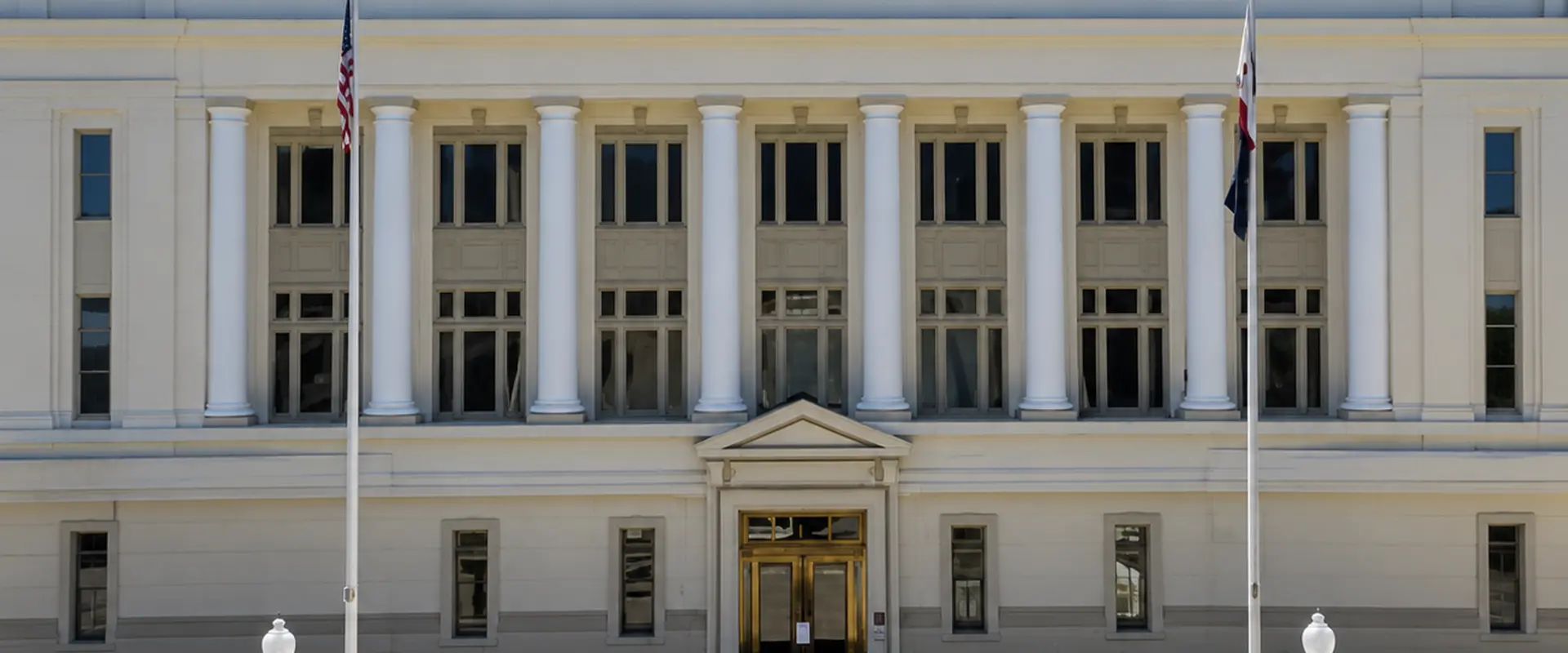
Everything centers on the Plumas County Courthouse right in downtown Quincy at 520 Main Street. The building also houses other county offices, so on any given day, you might bump into folks handling taxes or property records in the same hallways. Courtrooms, clerk counters, and administrative desks all sit under this single roof.
Divisions keep their own calendars and staff even though they share the space. Before you head over or pick up the phone, it pays to figure out which division fits your situation. A quick call ahead often saves a wasted trip through the mountain passes.
Types of Courts in Plumas County, CA

Knowing the right division matters more than you might expect. Submit paperwork to the wrong spot, and you risk bounced filings, extra fees, or months of back-and-forth. Each division specializes for a reason, and Plumas Superior Court keeps the lines fairly clear even in this rural setting.
 Criminal Division
Serious matters land in the Criminal Division, where the court processes and tracks both felony and misdemeanor cases filed across Plumas County.
Jurisdiction includes:
- Felony criminal charges
- Misdemeanors
- Arraignments and pretrial hearings
- Probation violations and modifications
Cases usually start with an arraignment and move through hearings that can stretch out. Felonies carry heavier consequences, so most defendants lean on an attorney. Even with misdemeanors, having someone explain the process can prevent small mistakes from snowballing.
 Civil Division
When money, property, or contracts spark disagreement, the Civil Division steps in. Landlord-tenant conflicts and other non-criminal claims find their home here.
Jurisdiction includes:
- Unlimited civil cases over $35,000
- Limited civil cases up to $35,000
- Landlord-tenant and eviction actions
- Civil harassment restraining orders
Some cases wrap up quickly with straightforward evidence. Others drag because of complicated facts or larger stakes. Either way, the rules stay consistent, though limited cases often feel a bit more approachable for people handling things without a lawyer.
 Family Law Division
Divorces, parenting plans, and support questions route through the Family Law Division. Domestic violence protection orders also belong here.
Family law cases handled:
- Divorce and legal separation
- Child custody and visitation
- Child and spousal support
- Domestic violence restraining orders
Family Court Services runs mediation sessions that help parents reach agreements outside a tense courtroom. The Family Law Facilitator, a court employee, reviews forms and explains support calculations at no charge. Most hearings still require showing up in person, but early mediation frequently eases the stress.
 Juvenile Division
The Juvenile Division handles matters involving minors and is split into delinquency (when a young person faces charges) or dependency (when safety at home becomes the issue).
Jurisdiction includes:
- Juvenile delinquency proceedings
- Juvenile dependency cases
- Termination of parental rights
- Related petitions involving minors
The court usually appoints counsel for the child. Parents may qualify for appointed lawyers in dependency cases, too. Timelines stay tight because the focus stays on the child's well-being rather than typical adult court pacing.
 Probate Division
Estates, trusts, guardianships, and certain family transitions fall under the Probate Division.
Probate cases handled:
- Wills and estate administration
- Conservatorships and guardianships
- Trusts
- Stepparent adoptions and emancipations
When someone passes, this division makes sure assets move according to law or the will. It also appoints and oversees guardians or conservators for those who cannot manage alone. Straightforward cases sometimes proceed without counsel. Contested or complicated ones almost always benefit from experienced help.
 Small Claims Division
For everyday disagreements involving smaller amounts, the Small Claims Division offers a simpler path. Lawyers cannot represent parties at the hearing itself.
How to Access Plumas County Court Records

California presumes most court records stay open to the public. Still, juvenile files, sealed documents, and certain sensitive materials stay protected for good reason. You will usually pay a modest per-page fee, especially for certified copies needed for official purposes. Online requests, in-person visits, and mail options each have their place depending on what you need and how soon.
 Online Access
Plumas Superior Court runs a straightforward online service for record searches. Head tothe court's website and look for the Record Searches section. An electronic form lets you request copies by providing names, case numbers, or other details. Responses typically arrive within several business days, though rush needs may require a phone call.
The court also offers an online payment portal for fines and fees. Public computers inside the courthouse let visitors search during open hours. Supplying full names plus approximate dates cuts down on confusion when common names pop up multiple times.
 Alternative Online Options
Official tools work fine once you know exactly what you are looking for. Yet confusion arises easily in a unified system if you are unsure which division handled the matter. Commercial platforms like CourtCaseFinder pull public records from many sources at once. They prove especially handy when you need a quick cross-check of criminal cases, divorces, judgments, or other filings without guessing the right county office first.
 In-Person Requests
Certified copies or older physical files usually mean a trip to the courthouse at 520 Main Street, Room 104, in Quincy. Clerk staff can pull what you need during business hours. Ask the clerk's office to help you locate:
- Physical case files
- Archived documents
- Certified copies
Bring as many identifiers as possible: full legal names, approximate filing dates, case numbers. Current files often come back the same day. Older ones may need extra digging.
 Archived Records
Records that have aged out of active storage sometimes move elsewhere. The Plumas County Clerk-Recorder's Office, in the same courthouse at Room 102, keeps many historical documents, including those connected to property or older filings. Reach them at (530) 283-6128. Some truly old materials exist only on paper and require a formal request, whether written or in person.
Combining the court's online form, a direct visit to the clerk, and help from the Clerk-Recorder usually uncovers whatever Plumas County court record you need.
For Attorneys and Legal Professionals
California-admitted attorneys follow both statewide rules and any local practices in Plumas. Most filings still happen in person or by mail at the clerk's window since full electronic filing options remain limited here. Always double-check the current division requirements and any special local forms.
Lawyers coming from outside the county should scan the court website for procedures before the first filing. Clerk staff happily answer procedural questions. Certified or archived records can take extra days, so build buffer time into any schedule.
How to File a Case in Plumas County

Filing the first time correctly prevents headaches in a county where court staff already juggle many roles. Details matter. A missing signature or wrong division can send you back down the mountain empty-handed.
 Step 1: Choose the Correct Court
Plumas funnels every case through the Superior Court, yet each division claims its own territory. Criminal charges go to Criminal. Money or eviction disputes belong in Civil. Divorce and custody questions route to Family Law. Estates head to Probate. Small dollar claims use Small Claims, and tickets stay with Traffic. When doubt creeps in, the main clerk line at (530) 283-6232 can steer you right.
 Step 2: Complete Required Forms
Judicial Council forms cover most situations and live on the official California courts self-help site. Plumas posts additional local forms on its own website. Fill every blank. Attach everything the instructions demand. Incomplete packets get returned more often than any other mistake.
 Step 3: File Your Case
Drop filings off at the clerk's window in Room 104 or mail them with correct payment and a stamped return envelope. In-person filing lets the clerk spot obvious gaps on the spot. Walk out with stamped copies and your new case number. Keep those papers safe so you can pull them out quickly whenever the court, the other side, or your own records require them. They are your permanent proof of filing.
 Step 4: Pay Filing Fees
Fees shift by case type. Small claims might run from thirty to one hundred dollars, depending on the amount claimed. Civil filings follow the statewide chart. If money feels tight, file a fee waiver request with proof of hardship. The court reviews each one. Confirm exact amounts with the clerk because schedules do change.
 Step 5: Serve the Other Party
Notification must happen through proper service of process. You cannot hand the papers to the other side yourself. Someone over eighteen and not involved in the case (sheriff's office, licensed process server, or certified mail, where allowed) must do it. File the proof of service before any hearing. Skip this step and risk having the case stalled or tossed.
 Step 6: Monitor Your Case
After filing, follow up using the online services of the court or a quick phone call to the clerk. Public information can also be brought up with CourtCaseFinder. Dates get changed at times, and frequent checks keep you on your toes. The most important thing is that you should retain your case number and go through all the documents before entering the courtroom.
Plumas County Courthouse Directory
Plumas County houses all court business at one central location.
Plumas Superior Court
This single courthouse manages every division: criminal, civil, family law, juvenile, probate, small claims, and traffic. Clerk services, self-help support, and administration all operate here under the same roof.
Quincy
520 Main Street, Room 104, Quincy, CA 95971
Phone: (530) 283-6232
Website: plumas.courts.ca.gov
Check the website or call ahead. Mountain weather or holidays can shift schedules unexpectedly.
Legal Help and Self-Help Resources
Even in a quiet mountain county, free and low-cost help exists for people walking through legal processes alone. These services focus on forms, explanations, and basic guidance rather than full representation.
 Free Legal Assistance
Even in a remote county like Plumas, helpful resources are available for anyone who finds themselves dealing with the court system. You might be a veteran sorting through benefits paperwork, an elderly resident worried about guardianship arrangements, a researcher tracing old property records, or simply someone facing a complex family matter. Legal help isn't only for those who can't afford a lawyer.
 Local Legal Support
Plumas Superior Court works with the Self-Help Assistance and Referral Program, often called SHARP, to offer free assistance with court paperwork and procedures. Whether you're filing a small claims case, handling a name change, or dealing with an eviction, their online tools and partnered centers can walk you through the steps. The court's Family Law Facilitator is particularly helpful for parents and families. This free service reviews support calculations, explains custody forms, and assists with guardianships or stepparent adoptions.
FAQs
How do I look up a criminal case in Plumas County?
Begin with the online request form for court records located on the Plumas County Superior Court website. Include the full name and any other known information, such as the case number or year of filing, to achieve better results. The majority of existing cases are presented quite fast, yet older cases might require direct application to the clerk. If nothing appears, call (530) 283-6232. The employees can access the internal records that are not accessible to the public form. Copies are typically charged a minor fee per page.
Are court records public in Plumas County?
The California law permits the public to access most records. Nevertheless, the juvenile cases, closed files, and some sensitive information remain confidential due to privacy concerns. You may demand available records online, in person, or by mail. The court attempts to weigh the openness with reasonable confidentiality requirements, particularly in family or dependency cases.
How do I find eviction records in Plumas County?
Unlawful detainer actions (eviction cases) are adjudicated in the Civil Division. Simple case data can be obtained through the court's record request procedure. These are the ones that landlords tend to check to get a rental history, and the tenants tend to check the ones of their own. Complete files containing all documents normally need an on-site visit or a formal written request to the office of the clerk.
Can I file a small claims case online?
The general rules of filing in Plumas County are that the small claims must be submitted either at the window or by mail to the clerk. See the court website regarding any existing electronic options. Self-help services provided by the Small Claims Advisor can clarify deadlines, service requirements, and evidence to bring. Personal filing can assist in the detection of errors before they become a hold-up.
How long does it take to get records in Plumas County?
Record requests online typically arrive between five and seven business days. When you visit the courthouse face-to-face, most up-to-date files can be given to you on the same day. Certified copies or archived records of older records require more time based on the requirements of retrieval. Make a phone call to the clerk in advance in case of an emergency.
Are online court record searches always accurate?
Court portals are based on official records, although updates are not real-time. Information can change after you run a search. Where time is of the essence, or where it is required by law, it is better to verify the information with the clerk or get a certified copy.
When is it helpful to use a third-party records finder?
You can also use third-party sites such as CourtCaseFinder if you're looking for multiple types of records or aren't sure which county or division to start with. Third-party record aggregation sites provide a helpful starting point before moving on to official court sources.
What do I do if I cannot find my case online?
The case may have been filed under another name, sealed, or still in process. Try searching alternate spellings and variants of the names, and including dates. If you still cannot find it, you can call or go to the clerk's office, where they can access internal systems not available on the public portal.
What kind of records can I find online?
Plumas court website and records requests allow searching criminal, civil, family, probate, small claims, and traffic cases. Juvenile court records remain confidential within the courts. For historical or land-related research, visit the Clerk-Recorder's Office in the same building.
Can I save or download court records for future reference?
In most cases, a case record received through a court order can be printed or downloaded to a personal computer. If a certified copy with an official seal is needed, a request can be made. CourtCaseFinder allows for saving of details after the initial review, though the amount of information varies from record to record.
Other Counties in California
- Alameda
- Alpine
- Amador
- Butte
- Calaveras
- Colusa
- Contra Costa
- Del Norte
- El Dorado
- Fresno
- Glenn
- Humboldt
- Imperial
- Inyo
- Kern
- Kings
- Lake
- Lassen
- Los Angeles
- Madera
- Marin
- Mariposa
- Mendocino
- Merced
- Modoc
- Mono
- Monterey
- Napa
- Nevada
- Orange
- Placer
- Riverside
- Sacramento
- San Benito
- San Bernardino
- San Diego
- San Francisco
- San Joaquin
- San Luis Obispo
- San Mateo
- Santa Barbara
- Santa Clara
- Santa Cruz
- Shasta
- Sierra
- Siskiyou
- Solano
- Sonoma
- Stanislaus
- Sutter
- Tehama
- Trinity
- Tulare
- Tuolumne
- Ventura
- Yolo
- Yuba
Table of Contents
