Table of Contents
Napa County Courts, CA *

Located in California, Napa County is best known as a tourist destination for its wineries. However, Napa County also plays a crucial role in California's judicial system. The Napa County judicial system serves all members of the community and oversees many kinds of legal matters. The court system works to resolve disputes, enforces the laws of California, and helps ensure order and fairness in the Napa County community. Napa County's courts hear many different types of cases, such as civil cases, criminal cases, family law matters, housing matters, probate matters, and traffic matters.
Overview of the Napa County Court System
Superior Court in Napa County is part of the unified California courts governed by uniform rules, procedures, and case management systems. As a result, regardless of which county you file your case in, the process will be comparable across the state.
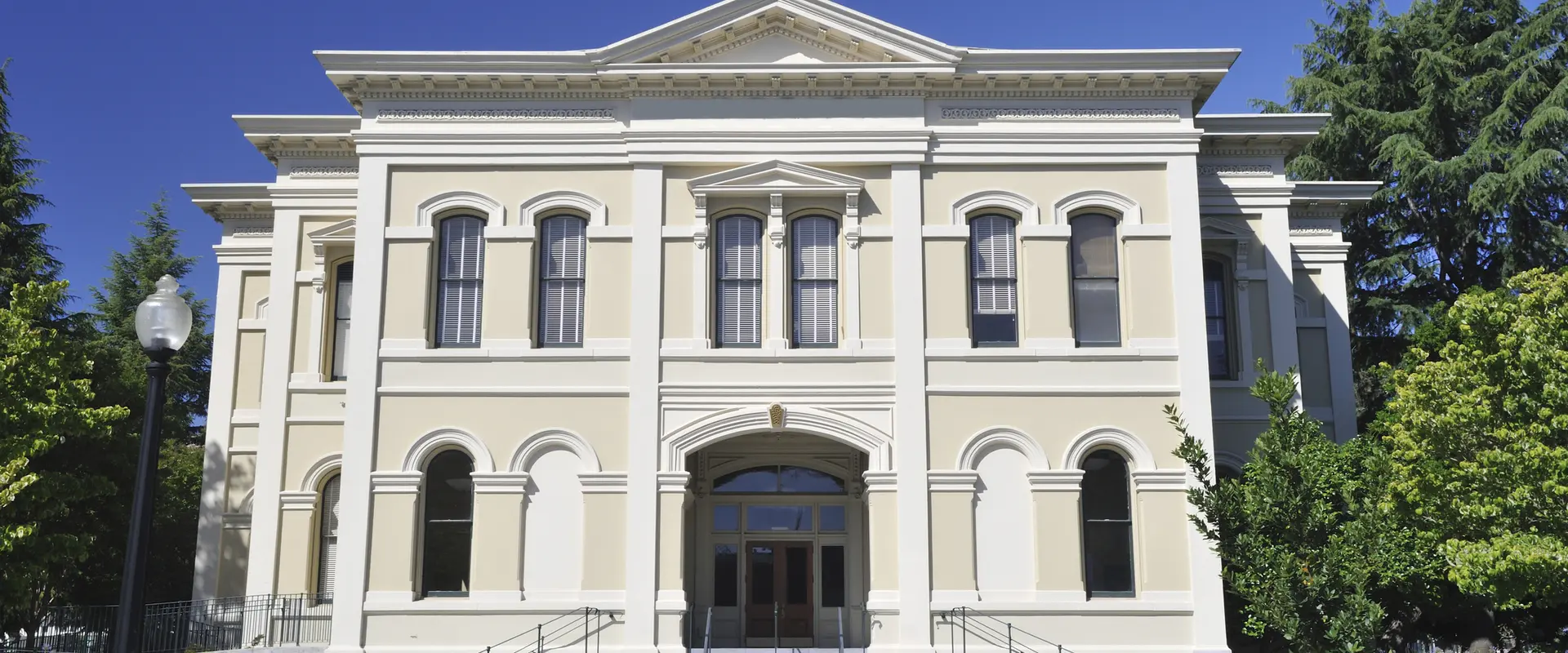
The Napa County court system has a single trial-level court, the Superior Court of California, County of Napa. Unlike some other states that have a number of trial-level courts, there is only one Superior Court per county in California. The Superior Court is broken down into divisions based on the type of case. Most of the court-related services provided by the Napa Superior Court are located in the Main Courthouse. This courthouse serves as a hub for filing documents, attending hearings, and obtaining records.
Since the Superior Court in Napa County has jurisdiction over a wide variety of cases, it is useful to confirm which division of the court handles your case before visiting the courthouse.
Types of Courts in Napa County, California

The Superior Court of California, Napa County has several divisions, and each division has its own distinct functions and responsibilities. Knowing them helps you accomplish your objectives because filing in the wrong court or division can noticeably delay the resolution of your lawsuit, result in additional costs and fees, or result in dismissal.
 Superior Court of California, Napa County
The Superior Court of California, County of Napa, is the primary court in the county and handles all major legal matters.
Primary location: Hall of Justice, Napa
Jurisdiction includes:
- Felony criminal cases
- Civil disputes of all amounts
- Family law cases, such as divorce and custody
- Probate matters, including wills and estates
- Juvenile cases
This court is divided into departments that focus on specific areas of law. Because it handles both simple and complex cases, it serves as the main entry point for most legal matters in Napa County, operating from Monday to Friday, 8:00 a.m.-4:00 p.m. Cases may involve multiple hearings, motions, and filings depending on their complexity.
 Criminal Division
Criminal cases filed by the office of the District Attorney are handled by the Criminal Division.
These cases include:
- Felonies
- Misdemeanors
- Arrest Hearing & Arraignment
- Trial & Sentencing
The Criminal Division handles all aspects of the criminal justice system from beginning to end. Depending on the severity of the crime, the outcome may result in fines, probation, or incarceration. Moreover, the staff at this division offers information concerning fine, record searches, appearance requirements, warrants, and court dates.
 Civil Division
Disputes involving individuals, businesses, and organizations are handled through the Civil Division. The Civil Division deals with a variety of disputes, including:
- Claims for personal injury
- Disputes over contracts
- Disputes regarding property
- Both limited and unlimited Jurisdiction over General Civil cases
Civil cases have a primary goal of settling a dispute, with many civil cases involving monetary damages or the enforcement of a contract.
 Family Division
The Family Court is responsible for all legal issues involving family matters. This division offers legal processing services to individuals of Napa County in areas including:
- Divorce and legal separation
- Child custody
- Child support
- Adoption and guardianship
- Wills and estate administration
Family Division cases affect individuals going through life transitions in many ways, such as outlining financial responsibilities after divorce/separation. Family Division probate cases ensure all probate cases involving the decedent's estate are dispersed according to the law.
 Traffic Division
The Traffic Division focuses on driving violations and improving road safety. This is the division where citations from various Napa County law enforcement agencies are filed.
Areas of jurisdiction include:
- Traffic tickets
- Parking violations
- Minor infractions
Most traffic cases will be resolved quickly, generally without a formal court visit. If you have been issued a citation, you can go through the court system to pay your fine. Be certain to follow the timelines and directions as stated on your citation to avoid additional penalties.
 Juvenile Division
The Juvenile Division handles cases involving minors, such as:
- Juvenile delinquency cases
- Child welfare and dependency matters
Only parents or legal guardians of the minor are legally permitted to have information about juvenile cases. You must make a personal appearance with identification to acquire information on juvenile cases because these matters are confidential.
 Small Claim Division
The Small Claim Division provides a simplified process for resolving minor financial disputes.
Jurisdiction includes:
- Claims involving limited monetary amounts
- Disputes between individuals or businesses
Small claims cases are designed to be fast and accessible. Parties usually represent themselves without attorneys, and decisions are typically made quickly. The amount in dispute is a maximum of $10,000 for a natural individual and a maximum of $5,000 for a business. The number of claims you can file is limited to 2, with a maximum of $5,000 annually.
How to Access Napa County Court Records

In Napa County, most records are available to the public, although some are restricted for privacy reasons. Accessing court records can help you track a case, verify legal information, or prepare for court. While many records are available online, others may require in-person requests or formal applications. Fees may apply for copies or certified documents.
 Online Access
The primary online resource is the Napa Courts Research and Records search. This platform allows users to search for case information, check court dates, and view basic case details. It also provides attorney resources, including tentative rulings, case lookup, and local forms.
Before starting your search, gather as much information as possible, including useful details such as:
- Full names of the parties involved
- Case number
- Filing date
- Type of case
Moreover, Napa County offers a distinct Public Records Search for accessing municipal records.
 Alternative Online Options
You can utilize platforms like CourtCaseFinder, which offer a simpler way to search for records across multiple jurisdictions if the official systems are challenging for you to navigate. These platforms gather public data and present it in a simple format, helping users find information more quickly.
 In-Person Requests
If you need certified copies or cannot find records online, visit the courthouse, and the clerk's office can assist you in locating:
- Physical and electronic case files
- Archived documents
- Certifed copies
Bring identifying information, such as names or case numbers, to make the process faster. In addition, when visiting the record department, you are usually required to bring along a filled-out Records Request Form.
 Archived Records
Older records may only be available on paper and are stored in physical archives managed by the Napa County Archives. Accessing these records can take more time, especially if they must be retrieved from storage. You must make a formal request and wait for the response to access these records. They are often used for historical research, genealogy, or long-standing legal matters.
Combining online searches, in-person visits, and archive requests will give you the most complete results.
For Attorneys and Legal Professionals
Attorneys practicing in Napa County must follow both statewide rules and local procedures. While local attorneys are familiar with the system, those from outside the county may need time to understand how things operate. Most legal research and case tracking are done through the Napa Courts Research and Records. Lawyers depend on these tools to review filings, monitor deadlines, prepare for hearings, and obtain tentative outcomes.
All filings must meet California's legal standards, including formatting and deadlines, to avoid setbacks such as rejected filings or delays. For certified or archived records, attorneys should plan, as processing times may vary.
How to File a Case in Napa County

Filing a case in Napa County requires careful preparation and attention to detail. Even small mistakes, such as using the wrong form or filing in the wrong division, can cause delays or lead to your case being rejected. Taking time to understand the process, gather the right documents, and follow court procedures will help your case move forward more smoothly.
 Step 1: Choose the Correct Court
The first step to filing a case in Napa County is identifying which division of the Superior Court of California, County of Napa, will handle your case. Each division focuses on a specific type of legal matter; for example, civil disputes such as lawsuits or property issues go to the Civil Division. You can contact the clerk's office for guidance on which division is responsible for your case if you are not sure. Choosing the correct division from the beginning will prevent setbacks such as dismissal, delays, or transfers.
 Step 2: Complete Required Forms
The next step is to access and fill out the court forms available through the California Courts Forms website. Carefully read all instructions and fill out each section of your case form, and include additional documents, such as evidence, financial statements, or supporting declarations, as required in the form. Moreover, make sure all required signatures are included, and review your forms for accuracy before submitting them.
 Step 3: File Your Case
After completing your forms, file them with the specific court division. In Napa County, most filings are done at the courthouse in person; however, some case types may allow electronic filing, such as emailing, when filing a civil rights complaint. Your case will be officially opened, and you will be assigned a case number after it has been accepted, which will be used to track your case, access records, and communicate with the court.
 Step 4: Pay Filing Fees
Filing a case usually requires paying a fee, and additional costs may apply for services such as document copies, certifications, or court reporters. Filing fee varies depending on the type of case. If you cannot afford the filing fees, you may request a fee waiver by submitting a formal application that explains your financial situation, and remember to submit this request at the time of filing to avoid delays. The court will review your request and make a decision.
 Step 5: Serve the Other Party
You must notify the other party involved after your case is filed through the "service of process" to ensure that all parties are aware of the case and have an opportunity to respond. You can complete service through the sheriff's office, a registered process server, or certified mail, depending on the type of your case, since you cannot serve the documents yourself. You must file proof of service with the court once service is completed.
 Step 6: Monitor Your Case
Lastly, it is important to stay informed regarding your case. You can track your case through online tools like the California Courts System, or reach out to the clerk's office by phone call, email, or in person. Monitoring your case also includes reviewing any notices sent by the court and responding promptly if action is required. Keeping copies of all documents and preparing ahead of each court appearance will help you manage your case more effectively and stay organized.
Napa County Courthouse Directory
Main Courthouse (Superior Court)
The Napa County Superior Court at the Hall of Justice serves as the central hub for all court operations in Napa County. It houses the criminal, civil, family, probate, and traffic divisions. Most filings, hearings, and record requests take place here.
Napa
1111 Third Street, Napa, CA 94559
Phone: (707) 299-1100
Juvenile Hall Courthouse
Mail is not accepted at this location; you must visit in person.
Napa
22350 Old Sonoma Road, Napa, CA 94559
Phone: (707) 299-1100
Historic Courthouse
You can send archive requests via mail to the Historic Courthouse.
Legal Help and Self-Help Resources
Navigating the legal system can be challenging; therefore, there are several resources to help navigate the legal process, offer direct assistance, or answer any questions you may have.
 Free Legal Assistance
Eligible residents of Napa County can access free legal services offered by organizations like Legal Aid of Napa Valley. They help with issues such as housing disputes, family law matters, and consumer rights. Services may include advice, document preparation, and representation.
Additional legal assistance is available at the court clerks' offices. The staff is trained to provide forms, instructions, and procedural guidance since their role is to help you understand the process.
 Local Legal Support
Local legal clinics and volunteer programs, such as the Napa County Victim Services Division, which allows volunteers to help victims of crime with their cases in Napa County, provide helpful support for individuals. Also, the Bay Area Legal Aid (Napa County Office) offers legal help with consumer law, housing stability, and public benefit issues. You can get assistance through the court's self-help services at the Napa Superior Court Self-Help Center, where staff guide completing forms and understanding case filing procedures.
FAQs
How do I search for a criminal case in Napa County?
You can use the California Courts Case Search to search for criminal cases. Contact the clerk's office or visit the courthouse for assistance if the case does not appear.
Are court records public in Napa County?
Most records are public; however, others, like the juvenile cases and certain family law matters, are restricted. Public records may also have sensitive information removed.
Where can I find eviction records?
Eviction cases are handled in the Civil Division, and you can find them online using the Napa Superior Court Self-Help Center search. Also, you can request physical or electronic records from the courthouse.
Can I file a small claims case online?
There are small claims cases that can be filed online. You should check with the clerk's office for current options and the required procedure.
How long does it take to get records in Napa County?
Online records are usually available immediately when you research, whereas in-person requests may take a few days. The archived or certified records can take longer because they are stored on paper.
Are online court record searches always accurate?
Online systems are helpful, but they may not always be up to date. For important matters, confirm details with the court's clerk directly, which guarantees accuracy.
When is it helpful to use a third-party records finder?
When searching across multiple courts or record types, services like CourtCaseFinder are useful. They simplify the process and save time.
How long do I have to serve a response in Napa County, CA?
In Napa County Superior Court, you have 30 calendar days, including weekends and holidays, to serve a response. When filing your response, you must also serve a copy on the plaintiff within the deadline.
What do I do if I want to fight the ticket?
If you get a traffic ticket, you have 3 options, including fighting the ticket. You may request for a trial by declaration, which is a written trial, or an in-person trial if you want to fight the ticket.
Other Counties in California
- Alameda
- Alpine
- Amador
- Butte
- Calaveras
- Colusa
- Contra Costa
- Del Norte
- El Dorado
- Fresno
- Glenn
- Humboldt
- Imperial
- Inyo
- Kern
- Kings
- Lake
- Lassen
- Los Angeles
- Madera
- Marin
- Mariposa
- Mendocino
- Merced
- Modoc
- Mono
- Monterey
- Nevada
- Orange
- Placer
- Plumas
- Riverside
- Sacramento
- San Benito
- San Bernardino
- San Diego
- San Francisco
- San Joaquin
- San Luis Obispo
- San Mateo
- Santa Barbara
- Santa Clara
- Santa Cruz
- Shasta
- Sierra
- Siskiyou
- Solano
- Sonoma
- Stanislaus
- Sutter
- Tehama
- Trinity
- Tulare
- Tuolumne
- Ventura
- Yolo
- Yuba
Table of Contents
