Table of Contents
Mariposa County Courts, CA *

Mariposa County is a small and sparsely populated rural area with a population of about 17,000 inhabitants, and an area of almost 1,450 square miles of Sierra Nevada foothills and mountains bordering Yosemite National Park. Residents of this county will find that one court handles all felony and misdemeanor cases, civil cases, family law, probate, and traffic violations.
Overview of the Mariposa County Court System
Mariposa County has one trial court: the Superior Court of California, County of Mariposa. All types of cases are processed by a single court in a single address, which is separated into divisions internally.
The courthouse is open Monday through Friday, 8:00 a.m. to 3:00 p.m., excluding state holidays and court closures. A small staff size means calling ahead can save a wasted trip. The main line is (209) 966-2005. While the clerk staff can answer your procedural inquiries, they cannot provide any legal guidance.
Types of Courts in Mariposa County, CA

In Mariposa County, understanding which division to visit is crucial due to limited staff and resources. With a smaller staff and fewer resources, a misfiled case takes longer to sort out. The court expects parties to bring the correct forms for the correct division.
 Criminal Division
The Criminal Division handles infractions and felonies such as robbery and assault. A District Attorney brings criminal charges against the accused perpetrator. The DA's office can be reached at (209) 966-3626, while you can reach Victim Witness Assistance at (209) 742-7441.
If you have an attorney, call them first and then the court. If you cannot afford one, request that the judge appoint counsel for you at your first court appearance. Missing a scheduled appearance can result in a bench warrant, even for minor matters. Look closely at everything you receive: your citation, notice of hearing, or receipt of bail date and department.
 Civil Division
The Civil Division deals with general civil litigation, evictions, name changes, civil restraining orders, non-guardianship probate cases, and civil appeals. Cases are divided by dollar value: limited civil includes cases up to $25,000, while unlimited civil includes cases above that limit.
Some of the cases dealt with here are:
- Contract disputes and claims for money or property
- Unlawful detainer and eviction actions
- Petitions for name change and civil harassment restraining orders
- Civil appeals from lower proceedings
 Family Law Division
The Family Law Division handles all legal issues related to family relationships or child protection. Hearings are regularly conducted on Thursdays.
The division deals with:
- Divorce, legal separation, and annulment
- Child custody, visitation, and parenting plans
- Child support and spousal support
- Domestic violence restraining orders
- Stepparent adoptions and emancipation of minors
The Family Law Facilitator, an attorney hired by the court, assists self-represented parties with forms and procedures, but does not represent a party or give advice.
 Juvenile Division
The Juvenile Division handles two matters that are not overlapping. Juvenile delinquency deals with minors accused of crimes. In juvenile dependency cases, a child has been removed from the home due to maltreatment or neglect.
 Probate and Conservatorship Division
The Probate and Conservatory Division deals with the settlement of estates and those who are in charge of adults incapable of handling their own affairs.
This division handles:
- Estate administration and distribution of assets
- Trust disputes and trustee petitions
- Conservatorships for adults unable to care for themselves or handle their finances
- Guardianships of the person for minors
When an individual passes away with over $100,000 in assets, a formal probate is required. Smaller estates may be eligible for a simplified transfer process under California Probate Code Section 13100.
 Small Claims and Unlawful Detainer Division
The Small Claims & Unlawful Detainer Division resolves lower-dollar disputes quickly. Attorneys are not allowed to represent parties at the initial hearing. In Mariposa County, individuals can sue for up to $10,000. Plaintiffs are limited to two claims above $2,500 per year anywhere in California.
Filing fees are based on the claim amount: $30 for up to $1,500, $50 for $1,500 to $5,000, and $75 for $5,000 to $10,000. Frequent filers who have filed more than 12 small claims in California within the past 12 months pay $100. Cases must be filed in Mariposa County if the dispute occurred here or the defendant lives or does business here. A free Small Claims Advisor is available at (209) 742-5322 and 5092 Jones Street, Mariposa.
 Traffic Division
The Traffic Division handles vehicle code violations and infractions. Mariposa County's location on the main highway to Yosemite means a significant number of citations are issued to out-of-county visitors. The court's website offers online payment and fine reduction options. If paying a fine would be a hardship, the court's Traffic Division page outlines assistance options.
How to Access Mariposa County Court Records

California's Public Records Act treats access to government records as a fundamental public right. Most case records are publicly accessible, but individual documents may be restricted when a judge has ordered confidentiality or when the law requires it.
 Online Access
The Case Information portal of the court will enable you to search active and closed cases by the name of the parties or by case number. The most coverage is on cases that were filed after 1999; the records before 1999 are in limited form at the online sites, and, in most cases, a request to the clerk has to be made.
 Alternative Online Options
In cases where it is not clear what type of record is required or in cases where one wishes to search across various types of cases, sites such as CourtCaseFinder can combine public records across various jurisdictions and types of cases. This may be particularly convenient in a small county with little data.
 In-Person Requests
Certified copies and older case files will require that you visit the courthouse or submit a written request by mail. You can ask at the clerk's office for:
- Certified copies (orders, judgments, case filings)
- Physical case files not accessible online
- Older court documents (archives)
For the best results, make sure you include the full names, case number, approximate filing date, and specific documents wanted. Your mail request should include a self-addressed stamped envelope. The clerk will then calculate the copy fee based on the file's page count, then contact you before they start processing it.
 Archived Records
The court's case information portal online contains only limited data on any cases filed before 1999. To gain access to older case files, you'll have to request them in writing from the clerk's office. These records are typically only available in hardcopy. Court filings are separate from land and vital records. For deeds, liens, trust deeds, maps, and marriage and death records, you'll have to contact the Mariposa County Assessor-Recorder.
For Attorneys and Legal Professionals
Attorneys practicing in Mariposa County can file electronically through Odyssey eFileCA, but electronic filing is not required. As of July 2024, any e-filed transaction carries a minimum $1.00 credit card processing fee. One important note is that documents filed electronically are not currently viewable to the public through the court's online portal, so certified copies or in-person requests may still be necessary when you need full access to the file.
Out-of-county or out-of-state attorneys should review both the California Rules of Court and any local practices specific to Mariposa before filing. The clerk's office can answer procedural questions during business hours, but it cannot provide legal advice. When requesting older records or certified documents, it's wise to allow extra time for processing.
How to File a Case in Mariposa County

You will save time by filing your case correctly the first time. If a form is incomplete or filed with the wrong division or not filed on time, your case could be delayed or dismissed. It's easier to identify the right path if you spend a few extra minutes confirming before taking the step.
 Step 1: Choose the Correct Court
In Mariposa County, all cases go through the Superior Court, but you'll find that each division handles very different matters. Criminal charges belong in the Criminal Division, while divorce and custody issues go to Family Law. Civil lawsuits and evictions are handled in the Civil Division, and estates go through Probate. Choosing correctly from the beginning saves time and frustration. If you're unsure which division fits your case, you can contact the clerk's office for some guidance.
 Step 2: Complete Required Forms
Download and complete standardized Judicial Council forms from the Judicial Council Forms page. Mariposa-specific local forms are available on the court's Forms and Filing page. Read instructions before filling out forms.
 Step 3: File Your Case
File your case forms with the court electronically using Odyssey eFileCA, at the clerk's window, or by mailing them to the court. Keep in mind that not all case types are eligible for electronic filing, so it's a good idea to check with the clerk first. Mailing minor claims to the court requires you to include a check or money order for filing fees made out to Mariposa Superior Court, two copies of the original (stapled in the top left corner), and a self-addressed stamped envelope. Filing in person also allows the clerk to catch mistakes that could delay proceedings.
 Step 4: Pay Filing Fees
Fees differ based on your case type for civil and small claims, as well as the amount you seek. You may apply for a fee waiver by including one with your filing. Check with the clerk for the most up-to-date fees since these fees are updated periodically.
 Step 5: Serve the Other Party
After filing, you must have the other party served with the court papers. The person who serves the documents to the defendant must be at least 18 years old, and cannot be related to the case in any way. Service can be done through personal delivery, substituted service, or certified mail. In small claims cases, the clerk's office can handle the service for you for a $15 fee.
 Step 6: Monitor Your Case
After filing, monitor your case through the court's online portal or by calling the clerk's office. Hearing dates can change, and missing an appearance can result in a judgment against you or a bench warrant. Looking at the CourtCaseFinder website will also show you case status alongside other public records.
Mariposa County Courthouse Directory
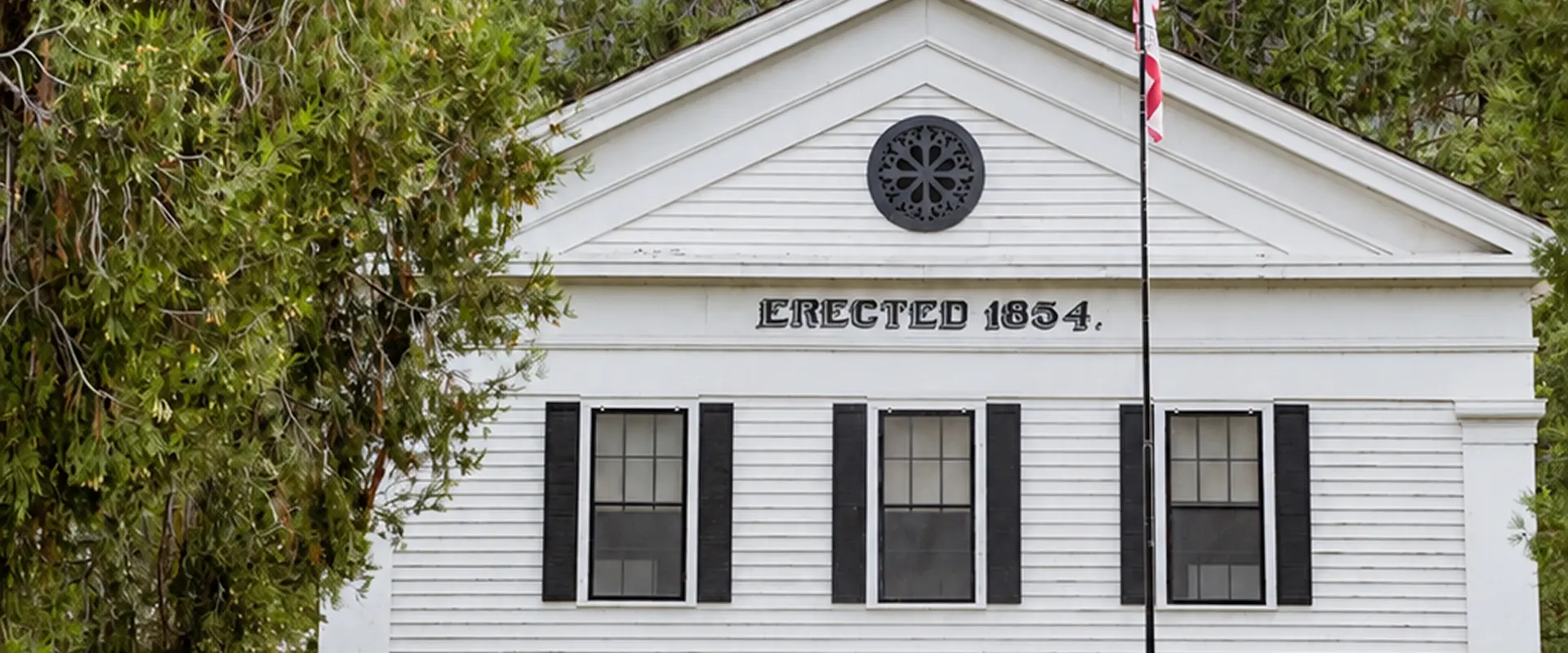
Mariposa County has one courthouse, and all court business takes place there.
Mariposa County Superior Court
This court handles all civil, criminal, family, juvenile, probate, small claims, and traffic matters.
Mariposa
5088 Bullion Street, Mariposa, CA 95338
Phone: (209) 966-2005
Website: mariposa.courts.ca.gov
Legal Help and Self-Help Resources
Mariposa is one of the smaller, more remote counties in California, and in-person legal aid options are limited. Understanding what you actually need for your case avoids a wasted trip to the courthouse.
 Free Assistance
Head to SHARPCOURTS.ORG and the California Courts Online Self-Help Center for form instructions, procedural guidance, and step-by-step help with family law cases, small claims, evictions, name changes, and restraining orders. Both are free.
The Family Law Facilitator is a court-employed attorney who assists self-represented parties with child support, spousal support, and related family law forms. The Facilitator is present on Thursdays during the family law calendar and can also be reached through the court's self-help contact line at (209) 742-5322. The Facilitator cannot represent you in court or give case-specific legal advice, but can help you prepare paperwork and point you toward other resources.
Local and Regional Legal Support
Due to the size and remoteness of the county, there are few in-person legal aid offices. The California Courts' Self-Help Portal provides online information for most case types in the county. Contested criminal matters, child custody disputes, and probate involving large assets are best handled with the advice of a California-licensed attorney.
FAQs
How do I search for a case in Mariposa County online?
Access the Case Information page of the court webpage. You may either search by party name or case number. Most of the cases filed since 1999 are covered by the online system. The previous records have restrictions on the available information on the Internet and generally need a personal appeal to the office of the clerk at (209) 966-2005. In searches that involve more than one type of record or county, a good place to begin is CourtCaseFinder.
How do I handle a ticket I got while driving in Yosemite?
Traffic citations issued in Mariposa County are handled by the Mariposa Superior Court. The court's website has an online payment option for eligible fines, and the MyCitations tool allows you to request a reduction if paying the full amount is a hardship. If you want to contest the ticket, you will need to appear in person or request a court date. Call (209) 966-2005 to confirm your options and any deadlines.
What is the small claims limit in Mariposa County?
People may make small claims up to $10,000. This limit is imposed by the state of California and is the same throughout the state. There is a lesser maximum in businesses and other entities. Your dispute must be filed as a limited or unlimited civil case when it is more than $10,000.
Is electronic filing required in Mariposa County Superior Court?
No. E-filing through Odyssey eFileCA is available and encouraged, but it is not mandatory. Attorneys and self-represented parties may still file in person or by mail. One thing to note: A credit card processing fee of at least $1.00 applies to e-file transactions. Case documents filed electronically are also not currently viewable to the public through the portal, so if you need to review filed documents, you will need to visit the courthouse.
Can I get a fee waiver if I cannot afford to file?
Yes. You can fill out a fee waiver application and send it in the envelope with the documents you are filing. The court will look at your financial details and decide whether or not to confirm the waiver. There is no charge for a filing fee in case of an approved waiver on file.
Can my Mariposa hearing be attended remotely?
Some hearings allow remote appearance, but prior court approval is required. Not all hearing types will qualify, so make sure well before your required court appearance. The court suspended live-streaming of all cases as of January 22, 2024. Check the Remote Appearance page on the court's website for current instructions and the link to join a courtroom virtually if your request is approved.
When does a deceased person's estate require probate in California?
Generally, when the total estate value exceeds $100,000, and the assets are held in the deceased person's name only, a formal probate proceeding through the court is required. Estates below that threshold, assets held in trust, or those passing directly to a surviving spouse may qualify for a simplified process. Because the specifics vary significantly by situation, consulting a probate attorney before assuming probate is or is not required is a practical step.
Where do I look if I can't find older records online?
The court's online portal has limited data for cases filed before 1999. For older court records, contact the clerk's office in writing with as much identifying information as possible.
Other Counties in California
- Alameda
- Alpine
- Amador
- Butte
- Calaveras
- Colusa
- Contra Costa
- Del Norte
- El Dorado
- Fresno
- Glenn
- Humboldt
- Imperial
- Inyo
- Kern
- Kings
- Lake
- Lassen
- Los Angeles
- Madera
- Marin
- Mendocino
- Merced
- Modoc
- Mono
- Monterey
- Napa
- Nevada
- Orange
- Placer
- Plumas
- Riverside
- Sacramento
- San Benito
- San Bernardino
- San Diego
- San Francisco
- San Joaquin
- San Luis Obispo
- San Mateo
- Santa Barbara
- Santa Clara
- Santa Cruz
- Shasta
- Sierra
- Siskiyou
- Solano
- Sonoma
- Stanislaus
- Sutter
- Tehama
- Trinity
- Tulare
- Tuolumne
- Ventura
- Yolo
- Yuba
Table of Contents
