Table of Contents
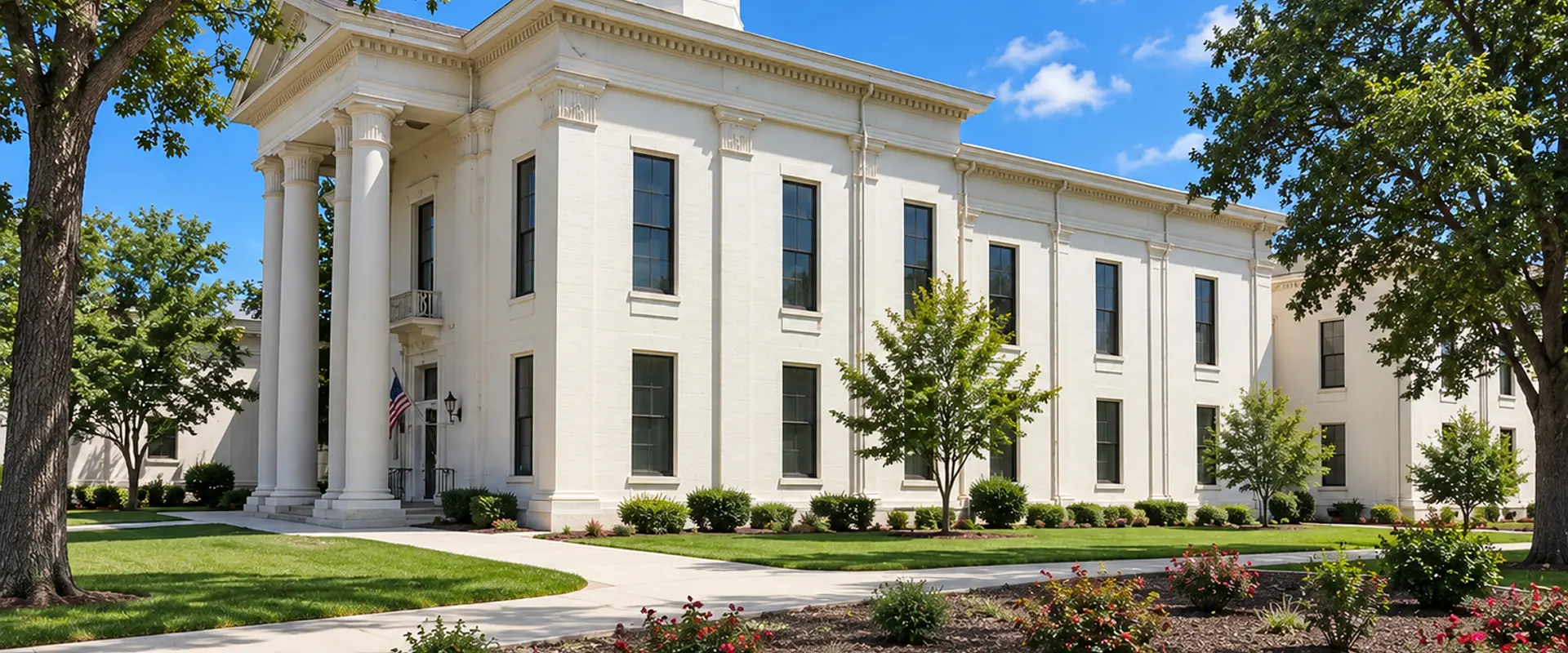
Colusa County Courts, CA *

The Colusa County Superior Court hears a wide range of disputes brought by residents of the area. These include civil matters, criminal cases, family law issues, and probate, all handled from court facilities in the City of Colusa. The court follows California's judicial process and manages cases ranging from landlord-tenant disputes and traffic violations to complex estate and business matters.
Issues such as child custody disputes and property possession claims are commonly resolved in Colusa County courts. Residents also resort to courts to enforce work, rental, marriage, and lease agreements. Employers, property owners, and practicing attorneys frequently review Colusa County court records. Others use these records to check prior evictions or related background details.
Understanding how the Colusa County court system works can save you time, reduce stress, and lower the risk of costly mistakes.
Overview of the Colusa County Court System
In Colusa County, all court cases are subject to the procedures of the trial court system in the state of California. Being made up of dozens of courts across the entire state, this ensures that the basic procedures, case management rules, and justice system are consistent in the entire state.
Colusa County operates a unified Superior Court system. This means all local judicial matters are handled under one main authority rather than being split into separate municipal courts. Most of the court activities in the county occur at the Main Courthouse and the Courthouse Annex. Both buildings are located just down the street from one another in the city of Colusa. These multi-service facilities allow residents to conduct different types of legal activities locally without having to travel far.
Court staff and administrators are available to assist individuals in finding their way through the legal system. They provide support and direction on questions and requests regarding court records and filings. Additionally, they are available to assist individuals by providing information regarding the court schedule, the date of a specific hearing, and other process steps. However, they cannot offer you legal advice.
Types of Courts in Colusa County, California

Every trial-level case in Colusa County runs through the Colusa County Superior Court. The court works out of two buildings, one block apart downtown. Most daily business happens at the Courthouse Annex on Oak Street. The Main Courthouse on Market Street holds the Self-Help Center and some hearings. Both share the same phone line and clerk staff.
 Civil Division
The Civil Division handles financial disputes and lawsuits between individuals, businesses, or organizations.
Jurisdiction includes:
- Surpassing $35,000 for unlimited civil disputes
- Restricted civil cases below $35,000
- Emergency restraining orders and injunctions
- Land disputes and evictions
Major financial disagreements and complex litigation are managed within this division. Civil cases are split into "limited" and "unlimited" jurisdictions within California based on the amount of money requested.
 Criminal Division
The Criminal Division handles cases where a person has broken the law, committing either a misdemeanor or a felony.
Jurisdiction includes:
- Felony criminal cases
- Misdemeanors and infractions
- Preliminary hearings
- Bail and arraignment hearings
This unit specializes in handling both civil and criminal cases as well as statutory inquiries, all in compliance with state law and other relevant legal requirements. Consequently, a private or a court-appointed attorney is being used by the party charged to try to fulfill the strict legal obligations.
 Family Law Division
The Family Law Division handles domestic relations matters and cases involving parent-child relationships.
Jurisdiction includes:
- Divorce and legal separation
- Child custody and visitation
- Child and spousal support
- Adoptions and name changes
- Domestic violence restraining orders
Family disputes often hit people during some of the hardest stretches of their lives. Judges here handle divorces, custody fights, and support orders that shape households for years. California law also requires parents to try mediation before a contested custody hearing moves forward. Colusa Superior Court's Family Law Facilitator and Self-Help Center share space and offer free guidance on forms and procedures.
 Probate Division
The Probate Division manages estates, guardianships, and conservatorships.
Jurisdiction includes:
- Wills and decedent estates
- Trust disputes
- Guardianship of minors
- Adult conservatorship
- Mental health commitments
For many families, it is the first time they enter through this division door when death or incapacity occurs. After someone dies, a judge approves the distribution of assets according to state probate law. Guardianship cases are for children whose parents cannot care for them, and conservatorships cover adults who can no longer take care of themselves. Plenty of families are shocked to learn they must lodge a will with the clerk within 30 days of learning about a testator's death.
 Traffic Division
The Traffic Division handles California Vehicle Code violations and minor offenses issued by law enforcement.
Jurisdiction includes:
- Moving violations
- Equipment citations
- Parking enforcement
- Failure to Appear matters
- Traffic school eligibility requests
Most drivers end up here after a speeding ticket, a broken taillight, or running a red light. If you can't afford the full fine, you can ask for a reduction through MyCitations, a state tool that looks at what you can actually pay.
 Small Claims Division
The Small Claims Division handles smaller money disputes between individuals, businesses, or both.
Jurisdiction includes:
- Claims up to $12,500 for individuals
- Claims up to $6,250 for businesses
- Debt collection disputes
- Property damage claims
- Security deposit disagreements
Small claims cases move faster and cost less than regular civil suits. Lawyers can't represent either side at the hearing, though parties may consult one beforehand. Colusa Superior Court's Small Claims Advisor offers free help preparing your case. You can reach them through the Self-Help Center. Showing up with receipts, photos, and written evidence really helps your case with the judge.
How to Access Colusa County Court Records

Most court records in Colusa County are entirely open to the public. When they are not, it is usually because they are sealed or restricted by a judge. Juvenile records and certain sensitive family matters are heavily restricted to protect privacy. Court records provide important information about ongoing or closed cases. This includes criminal charges, civil disputes, probate matters, and traffic violations.
When you know how to access them online, you save time and prevent confusion. When you request hard copies of documents, both for public and certified records, you will be required to pay a small fee per page.
 Online Access
The main resource for the local court system is the Colusa Superior Court online portal. This digital system allows users to view court calendars, pay traffic tickets, and access some basic case information. The court uses electronic filing and digital case management to keep public information organized and accessible.
For best results, provide as much information as possible before starting your search. Useful details include the full legal names of the parties involved, case numbers if known, filing dates, and the specific division where the case was filed. Incomplete information may return multiple results or make it more difficult to locate the correct record.
 Alternative Online Options
Sometimes official state tools can be overwhelming or difficult to use. Commercial sites like CourtCaseFinder offer aggregated access to public records. They provide info on court cases, divorces, arrests, and other public filings from multiple sources. Alternative online sources help you when you are unsure which office keeps the records you need.
 In-Person Requests
For certified documents or older records, you can visit the Clerk's Office in Colusa.
Ask the clerk's office to help you locate:
- Physical case files
- Archived documents
- Certified copies
Asking in person is often necessary for official or certified records, especially when the documents are required for legal or administrative purposes. Bring as much information as possible, such as names or case numbers, to help make the process faster. You can usually view public files for free at a public kiosk, but you must pay if you want physical copies printed.
 Archived Records
Some historical or older court records are in hard copy only. You will find them stored at local county archives or state repositories. Because older records haven't been digitized, getting access to them can take a bit more time. You might even have to put in a formal written request to the clerk so they can go pull the right box from storage.
Archival records are really useful for genealogical research, property disputes, or looking into cases from way back. If you use all three ways of searching, you'll give yourself the best shot at getting the most complete and accurate Colusa County court records out there.
For Attorneys and Legal Professionals
Attorneys from outside Colusa County will discover that most case research and calendar checks are handled through the court's online portal. The local court provides access to its dockets, filings, and scheduling information digitally. Because multiple divisions operate across two separate buildings, you must confirm the right jurisdiction and physical location for any scheduled hearings.
Anything you file must comply with the California Rules of Court, along with any local county rules. Stuck on a local rule? Walk up to the clerk's window and ask. They deal with these questions all day.
How to File a Case in Colusa County

Filing a court case is a detailed process. Even a small error can cause delays or dismissal. This section outlines the steps to start a civil, probate, family, or small claims case in Colusa County.
 Step 1: Choose the Correct Court
First, make sure you pick the right division before starting legal proceedings. In Colusa County, this is easy to sort out because nearly every civil, criminal, family, probate, traffic, and small claims case runs through Colusa Superior Court at one of the two buildings downtown. Unlimited civil covers claims over $35,000, while smaller money disputes go to Limited Civil or Small Claims. Family matters head to Family Law, and estate cases fall under Probate. Clerk staff can point you in the right direction when the answer isn't obvious online, though they can't give legal advice.
 Step 2: Complete Required Forms
Judicial Council forms cover most California cases and can be downloaded free from the state court's website. Local forms can be found on the Forms & Filing page. Complete every section of each form, sign where indicated, and make sure the case caption is filled in correctly. The main reason filings get rejected is that the forms were incomplete.
 Step 3: File Your Case
You can file documents at the Clerk's Office during regular business hours. Civil, family, and probate documents can also be submitted through court-approved eFiling providers. If filing in person, bring the original plus the required number of copies. The clerk will stamp every document and return conformed copies for your records.
 Step 4: Pay Filing Fees
Fee amounts track with case type. Unlimited civil runs $435, while limited civil and small claims sit lower. Short on cash? File a Request to Waive Court Fees (Form FW-001) based on income, public benefits, or financial hardship. A judge reviews each waiver and either grants or denies.
 Step 5: Serve the Other Party
After your papers are filed with the clerk, the other side still needs to get formal notice. In California, this step is called service of process. You can't do it yourself. Most people hire a professional process server, ask the Colusa County Sheriff's Office to handle it, or get an adult who isn't involved in the case to serve the papers. After that, a proof of service has to be filed with the court.
 Step 6: Monitor Your Case
You can follow up on it in a few different ways. By searching on the Online Case Index using your case number, calling the clerk for updates, checking in with your attorney, or using third-party tools like CourtCaseFinder for easier tracking.
Colusa County Courthouse Directory
Colusa Superior Court operates from two buildings, one block apart, in downtown Colusa. Both handle cases for the county.
Main Courthouse (Department 1)
Colusa
547 Market Street, Colusa, CA 95932
Phone: (530) 458-5149
Website: https://www.colusa.courts.ca.gov/
Courthouse Annex (Department 2)
Colusa
532 Oak Street, Colusa, CA 95932
Phone: (530) 458-5149
Legal Help and Self-Help Resources
Understanding the legal system can be a challenging process for many individuals. Fortunately, there are numerous resources available at the local, state, and nonprofit levels to assist with various legal issues.
 Free Legal Assistance
Legal Services of Northern California offers help to low and moderate-income residents. They can step in with housing disputes, family law, and consumer problems. A lot of these programs provide advice, inspect documents, and even represent people in court if they qualify.
 Local Legal Support
Colusa Superior Court's Self-Help Center is the closest place where residents can get in-person help if they're handling their own case without a lawyer. Staff can assist with family law, small claims, or housing problems. For smaller issues, representing yourself might work out fine. But for more complicated matters like felonies or custody battles, having an experienced attorney on your side can make a real difference.
FAQs
What's the best way to check a Colusa County criminal case?
Start by checking the Colusa Superior Court's online case index. Just type in the defendant's full name or the case number. New cases might not show up for a day or two. If you search and find nothing, give the deputy clerks a call at (530) 458-5149. They can point you in the right direction.
Can court records be accessed by anyone?
In the state of California, the court records of most legal cases are available to the public. The cases that are generally open to the public are civil and criminal cases. Juvenile and sealed cases will not be accessible.
Do both Colusa courthouses handle eviction filings?
The Civil Division handles evictions. The general information is displayed on the internet, but the full files require a counter visit.
Can I file small claims online in Colusa?
Not yet. The small claims procedure still requires paperwork; therefore, you will be required to visit the Courthouse Annex. But for other types, such as civil lawsuits and probate, e-filing is possible through authorized vendors.
How long does it take to get records in Colusa County?
Online results are instant. Walking in for active files often takes a single day. Certified copies run longer because of the stamp and verification process. Anything stored in archives might take a week or more to pull.
Are online case results accurate?
Mostly accurate, but not always. Updates lag behind courtroom activity by hours or a day. For anything with a deadline, call to verify.
Why would I use a third-party records site?
Third-party records sites like CourtCaseFinder store filings from many sources into one search. This saves you time from having to search multiple sites.
What do I do if I can't find my case online?
If you are having trouble finding your case, try different spellings or initials and check for typos. Your case may be sealed, too new, or filed under another type. Call the division or visit the court for help.
What can I find in an online records search?
You can find records of criminal cases, civil suits, divorces, probate, guardianships, traffic tickets, liens, and judgments.
Can I download records from online for future reference?
Some records from the online index can be printed or saved as PDFs, whereas others cannot be downloaded or saved due to confidentiality. It all depends on the type of case.
Other Counties in California
- Alameda
- Alpine
- Amador
- Butte
- Calaveras
- Contra Costa
- Del Norte
- El Dorado
- Fresno
- Glenn
- Humboldt
- Imperial
- Inyo
- Kern
- Kings
- Lake
- Lassen
- Los Angeles
- Madera
- Marin
- Mariposa
- Mendocino
- Merced
- Modoc
- Mono
- Monterey
- Napa
- Nevada
- Orange
- Placer
- Plumas
- Riverside
- Sacramento
- San Benito
- San Bernardino
- San Diego
- San Francisco
- San Joaquin
- San Luis Obispo
- San Mateo
- Santa Barbara
- Santa Clara
- Santa Cruz
- Shasta
- Sierra
- Siskiyou
- Solano
- Sonoma
- Stanislaus
- Sutter
- Tehama
- Trinity
- Tulare
- Tuolumne
- Ventura
- Yolo
- Yuba
Table of Contents
