Table of Contents
Alpine County Courts, CA *

Alpine County is located on the crest of the Sierra Nevada, along the California-Nevada state line. The county is sparsely populated with a very limited government infrastructure. As a result, all judicial functions in the county are performed in the single Alpine County Superior Court, which is located in one place.
So while the county's caseload is small, its civil, criminal, probate, and other cases are typical of what is found in any county of larger size. The California statutes and procedures applying to these case types apply equally to it.
Overview of the Alpine County Court System
The Alpine County Superior Court serves as the primary trial court for Alpine County, handling all local legal matters. California operates under a unified court system, meaning there is one level of trial court (the Superior Court) in each county. Being California's least populous county, Alpine County has a small, unified court system, with most cases heard at the same courthouse in Markleeville.
Although the court is small, it handles criminal, civil, family law, probate, and traffic matters. This can make the court more efficient due to reduced administrative burdens and a lighter caseload than in larger counties.
Types of Courts in Alpine County, California

The Alpine County Superior Court has jurisdiction of all cases in the county. The court has divisions for each case type (e.g., criminal division, family law division). As with all California courts, the Superior Court is one with multiple departments having subject matter jurisdiction over all types of cases. For the Californian and out-of-state visitor alike, if you know what case type you're dealing with, you know what's going to happen next and, essentially, the why behind it.
 Appellate Division (Appeals)
The Appellate Division of the Alpine County Superior Court reviews decisions from lower-level cases to determine whether legal errors were made.
The Appellate Division handles:
- Appeals from misdemeanor cases
- Appeals from infraction cases
- Appeals from limited civil cases
This division does not conduct new trials or hear new evidence. Instead, it reviews the legal record from the original case to determine whether the law was applied correctly.
 Criminal Division
The Criminal Division of the Alpine County Superior Court handles violations of California criminal law, ranging from minor infractions to serious offenses. While these cases compose a relatively small portion of the court's workload, given the small population in Alpine County, the court follows procedures used throughout California.
The Criminal Court handles:
- Misdemeanors such as DUI or petty theft
- Felonies, including more serious offenses
- Arraignments, preliminary hearings, and trials
- Sentencing and probation matters
- Warrants and bail hearings
This division respects due process and public safety by allowing the defendants the opportunity to respond to the charges and receive legal assistance. Unlike in many larger counties, hearings in Alpine County are often subject to flexible scheduling, but timelines still follow California law.
 Civil Division
The Civil Division handles disputes between individuals, businesses, or organizations in which no criminal charges are involved.
- Small claims under $10,000 for individuals
- Limited civil cases up to $25,000
- Unlimited civil cases over $25,000
- Property disputes, including landlord-tenant matters
- Contract disputes and debt collection
Rather than facing conflicts personally, it can be better and safer to resolve them legally. For example, if a tenant and landlord disagree over unpaid rent or property damage, the court can issue a binding decision.
 Family Law Division
The Family Law Division of the county deals with legal situations that involve family relationships of all sorts. These cases can be emotionally difficult, and the court's role is to make sure the outcomes are fair and enforceable, especially where children are involved.
The Family Law Division oversees all of the following:
- Divorce (dissolution of marriage) and legal separation
- Child custody and visitation arrangements
- Child support and spousal support (alimony)
- Domestic violence restraining orders
- Parentage (paternity) cases
This division is key in helping families navigate major life changes. For example, when parents separate, the court may establish custody and visitation schedules based on the best interests of the child.
 Probate Division
The Probate Division of the Alpine County Superior Court handles matters related to estates, guardianship, and certain personal legal changes. These cases are generally administrative but can have a significant personal and financial impact.
The Probate Division handles:
- Wills and estate administration
- Guardianship of minors
- Conservatorship of adults
- Name changes
- Adoptions
Probate court oversees the gathering of a decedent's assets and debts, the payment of debts, the distribution of property, and the establishment of a guardian or conservator, when necessary.
 Traffic Division
The Traffic Division oversees violations of traffic laws, most of which are considered infractions rather than criminal offenses.
The Traffic Division handles:
- Speeding tickets and moving violations
- Driving without a valid license
- Failure to appear or pay fines
- Requests for traffic school
- Minor vehicle code violations
This allows individuals to either pay a fine, contest the ticket, or attend traffic school to resolve the citation.
 Juvenile Division
The Juvenile Division tries cases involving minors, and most of these proceedings are closed to the public to protect parties' privacy.
The Juvenile Division handles:
- Juvenile delinquency (minors accused of crimes)
- Dependency cases (abuse or neglect)
- Foster care and child welfare matters
This division focuses more on rehabilitation and protection than punishment. For example, if a minor is accused of a crime, the court may request counseling or community service instead of incarceration. In dependency cases, the court works on placing children in a safe and stable environment.
How to Access Alpine County Court Records

Because of the small size and lack of technological infrastructure, retrieving court records in Alpine County can be a more manual process than other counties. The Alpine County Superior Court maintains records of civil, criminal, family law, probate, traffic, and juvenile cases. Public access to records varies based on the type of case, whether the record has been digitized, and relevant laws covering access.
 Online Access
Online access to Alpine County court records is limited compared to more populated counties in California. The court may provide basic case information through its official website, but not all filings, documents, or updates are available digitally. Users can typically view general case details such as party names, case status, or hearing dates, if posted. For more complete records, additional steps are often required.
 Alternative Online Options
Third-party websites such as CourtCaseFinder might also broaden your search when the records you need are not available through official websites, as they scrape publicly accessible information from multiple jurisdictions to find case numbers or case locations.
 In-Person Requests
The best way to get accurate, thorough access to many records is to go to the courthouse in person. The Alpine County Courthouse clerk's office can search records, locate case files, and provide copies of documents. You may need to supply case identifying information such as names, case numbers, or dates. Copy fees may apply, particularly for certified records.
 Archived Records
Older or non-digitized records are archived physically and may take longer to process. Archived documents will be retrieved once the request is made in person or via phone call to the clerk's office. The time it takes to complete a request may vary depending on the age and condition of the record, so giving as much relevant information as possible to the clerk is recommended.
For Attorneys and Legal Professionals
Attorneys who practice in Alpine County are likely to find a more manual process. E-filing availability may be limited depending on case type. For the fastest way to confirm things, hearing dates, and procedural requirements, opt for direct communication with the clerk's office.
Because of the court's scale, scheduling tends to be more flexible, but also requires proactive follow-up to avoid delays.
How to File a Case in Alpine County

All cases are filed in Alpine County Superior Court, which is the only courthouse in the county and the location that hears all types of cases. The court generally follows the California court system procedures, with most Alpine County Superior Court filings being in-person or mail. Taking care to get your papers in order and checking requirements with the clerk's office may speed matters.
 Step 1: Choose the Correct Court
All cases must be filed in the appropriate division of the Superior Court. Civil, family law, probate, and criminal cases each have their own rules, deadlines, and forms that must be filed with the court. Filing in the wrong division may result in delay or the dismissal of the case. If you are unsure as to which division the case should be filed in, you can either look in the instructions from the court, or call the clerk's office. Taxonomic classification at that point is important.
 Step 2: Complete Required Forms
All of these cases use specific forms that must be properly filled out. The forms for these cases can be obtained on the California Courts website, or in person at the courthouse. Remember to follow the instructions carefully, as failure to comply with the format can result in the rejection of the filing. Some forms require a signature under the penalty of perjury and supporting documents.
 Step 3: File Your Case
Complete the forms and take them to the clerk's office at the county courthouse in Markleeville. The clerk's office in Alpine County generally requires you to file most court documents in person but some documents can be allowed by mail, depending on the type of court case. The clerk will review your filing for basic compliance. If accepted, the clerk will then file the case and assign a case number. The case number should be saved for future reference. Early filing or filing with a time-stamp can help reduce preparation time and filing delays.
 Step 4: Pay Filing Fees
There is typically a filing fee to have a case placed on a docket, which varies based on type and court division. The clerk will tell you the amount when you file. If you cannot afford the fee, you can ask to have it waived by filing a fee waiver request with your forms. The court will review your financial information and decide whether to approve your request. To avoid any delay, pay the fee or submit a complete request for a fee waiver.
 Step 5: Serve the Other Party
You must then serve the other party with copies of the documents you filed, using an authorized method, such as a process server, sheriff, or non-involved adult. You cannot serve the documents yourself, however, and you need to file proof that the papers were served to the other party, or your case will not go forward.
 Step 6: Monitor Your Case
After you have filed and served your case, you must follow up on the case and keep track of required court appearances, deadlines, and documents or responses that must be filed. In Alpine County, records may not be available online. It is recommended you contact the clerk's office by phone. If you receive notice from the court, respond promptly to avoid delay or dismissal. Getting organized and staying involved can help keep your case on track.
Alpine County Courthouse Directory
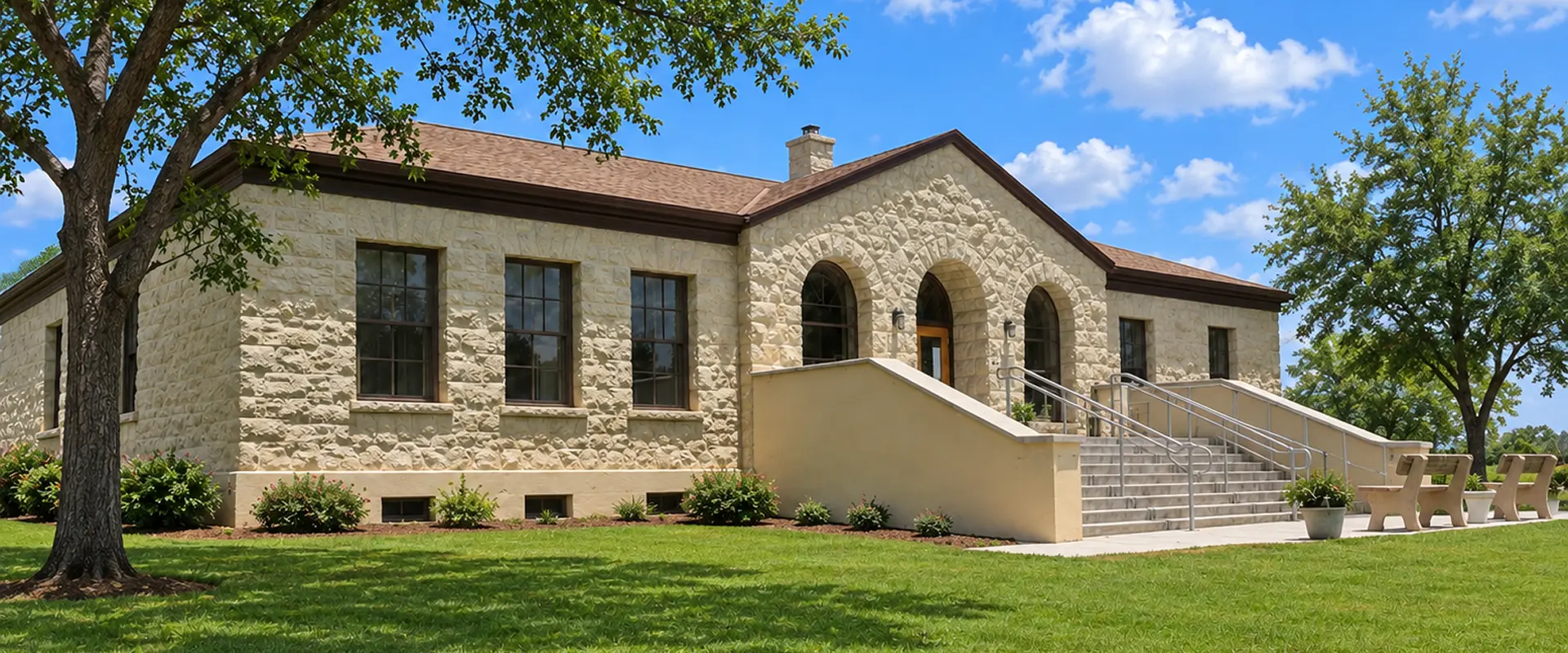
Alpine County Courthouse
This courthouse serves all court operations in Alpine County, including civil, criminal, family law, probate, traffic, juvenile, and appellate cases. File documents, attend hearings, and request records at this location.
Markleeville
14777 State Route 89, Markleeville, CA 96120
Phone: (530) 694-2113
Website: Alpine County Superior Court
Legal Help and Self-Help Resources
If you need to find legal help in Alpine County, use a mix of statewide self-help tools and nearby regional services. You can start with local resources, then contact local or neighboring providers for more direct help with your case.
 Free Legal Assistance
- California Courts Self-Help Center offers guides and forms
- Legal Aid organizations serving nearby counties may provide support
 Local Legal Support
As Alpine County is relatively small, residents often rely on regional services in neighboring counties like El Dorado.
FAQs
How do I find my criminal case in Alpine County?
You'll have to visit the clerk's office at the Alpine County Superior Court, which is not typical of most courts. This is because you'll find that online access may be limited. You can also use third-party tools to search across multiple jurisdictions.
Are court records public in Alpine County?
Yes, you'll find that most civil and criminal case files can be viewed by the public. But juvenile cases, family law matters, or sealed documents are restricted by law. Online tools can help identify available records, but it's a good idea to check with the court as well.
Where can I find eviction records in my county?
Eviction cases, also known as unlawful detainer cases, are part of the Civil Division of the Alpine County Superior Court. These records can usually be requested through the clerk's office, though online availability may be limited.
Can I file a small claims case online?
File small claims cases in person or by mail with the Alpine County Superior Court. Check with the court clerk about additional requirements prior to filing. It is generally a good idea to have copies of forms printed and fees checked in advance.
Does it take a long time to get records from the Alpine County court system?
If you request recent records directly from the court clerk, fewer records will take less time. Older or archived records might take longer if they need to be retrieved manually. The more case details the clerk has, the easier it is for them to find your case.
Do I need a case number to request records?
If you know the case number, you can speed up the process by giving it to the clerk. But if you do not know the case number, give the clerk the full names and approximate dates, and they will search for the case.
When is it helpful to use a third-party records finder?
If you do not have the information about the filing or which jurisdiction to search, you can use CourtCaseFinder to look up case numbers or search across multiple counties. Always check these results with the court before taking action.
What do I do if I can't find my case online?
If you cannot find your case online, your next step is to contact the court's clerk or to check in in-person. Provide full names, dates, and case type to help the clerk find the record. Check for spelling errors or filing delays before you assume the case is missing.
What kind of records can I find online?
You can find party names, case status, and hearing dates online. You might come across limited access to full documents or filings in a smaller county like Alpine County, and in those cases you can request for more information from the court.
Can someone else request court records on my behalf?
Yes, another person can request records if the case is public and as long as they have accurate case details when submitting a request.
Other Counties in California
- Alameda
- Amador
- Butte
- Calaveras
- Colusa
- Contra Costa
- Del Norte
- El Dorado
- Fresno
- Glenn
- Humboldt
- Imperial
- Inyo
- Kern
- Kings
- Lake
- Lassen
- Los Angeles
- Madera
- Marin
- Mariposa
- Mendocino
- Merced
- Modoc
- Mono
- Monterey
- Napa
- Nevada
- Orange
- Placer
- Plumas
- Riverside
- Sacramento
- San Benito
- San Bernardino
- San Diego
- San Francisco
- San Joaquin
- San Luis Obispo
- San Mateo
- Santa Barbara
- Santa Clara
- Santa Cruz
- Shasta
- Sierra
- Siskiyou
- Solano
- Sonoma
- Stanislaus
- Sutter
- Tehama
- Trinity
- Tulare
- Tuolumne
- Ventura
- Yolo
- Yuba
Table of Contents
